Threat Landscape and Civil Security Assessments
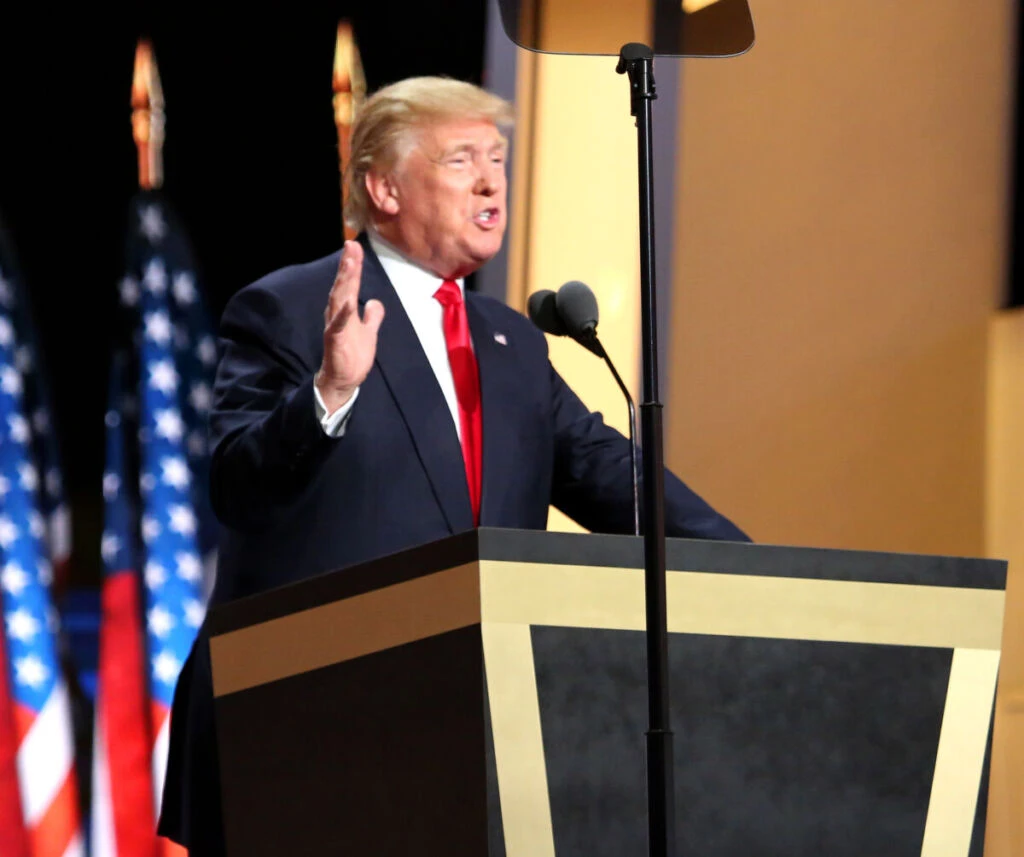
In a pointed assessment of domestic ideological volatility, former US President Donald Trump issued sharp warnings regarding the surge of antisemitism across the United States, drawing historical parallels to the destabilizing climate of 1938 Europe. Addressing the cultural and political vectors driving extremist rhetoric, Trump argued that systemic complacency originating in earlier political administrations has allowed radical doctrines to gain operational momentum within modern civic institutions.
Electoral Alignments and Bipartisan Stability
The strategic debate intersects directly with electoral dynamics in pivotal battleground states, particularly Michigan, where demographic voting patterns have complicated traditional foreign policy consensus. Trump scrutinized the alignment of key voting blocs with progressive figures critical of Israel, noting that political realignments risk eroding the historic, cross-partisan foundation that has long anchored American engagement in the Middle East. Strategic observers view these developments as indicators of a broader ideological contest that could shape future congressional posture on foreign defense appropriations.
Implications for the Strategic US-Israel Partnership
Despite friction across domestic political arenas, the bilateral security architecture between Washington and Jerusalem remains anchored in advanced technological synergy, intelligence interoperability, and joint defense platforms. Counter-terror intelligence specialists stress that mitigating domestic radicalization across Western democracies is functionally inseparable from broader international defense objectives, requiring continued vigilance, robust institutional integrity, and strategic clarity against destabilizing extremist trends.