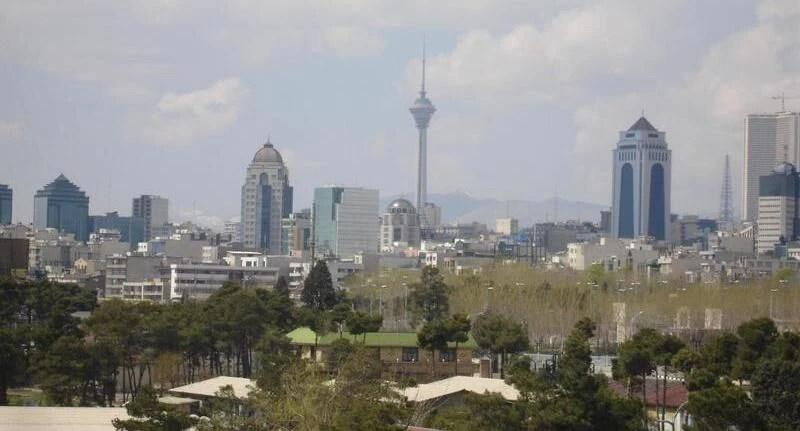
Recent disclosures regarding discussions between Donald Trump and Middle Eastern leadership underline the delicate equilibrium governing regional security architecture. According to statements detailing prior diplomatic exchanges, key Gulf partners actively advocated for strategic restraint and the deferral of kinetic escalation against Tehran, weighing the acute vulnerabilities of maritime transit corridors, civilian infrastructure, and energy facilities against the imperative of deterrence.
Recalibrating Regional Deterrence Architecture
The strategic hesitation communicated by regional partners illustrates a profound evolution in Middle Eastern defense doctrine. Rather than favoring unilateral, sudden escalatory strikes, regional capitals increasingly prioritize institutionalized, layered defense mechanisms. This strategic posture aligns directly with the cooperative defense initiatives advanced through the Abraham Accords framework, where integrated air-defense networks, cyber resilience, and high-level intelligence sharing provide proactive security without precipitating systemic destabilization.
Domestic Calculus and Forward Posture
The acknowledged political ramifications of foreign military entanglements underscore the ongoing tension between short-term domestic political dynamics in Washington and long-term geopolitical commitments. Political friction surrounding extended deployments reinforces the necessity for regional partners, including Israel and Gulf allies, to deepen autonomous defense capabilities, technological edge, and multilateral operational readiness to sustain regional stability regardless of electoral shifts in Western capitals.
Ultimately, the defense posture across the Persian Gulf and Levant is converging on calibrated pressure: maintaining credible kinetic deterrence against Iranian proxy networks and asymmetric threats, while ensuring economic predictability and infrastructure security. Moving forward, resilient counter-threat intelligence and coordinated bilateral defense partnerships will remain central to neutralizing regional volatility.