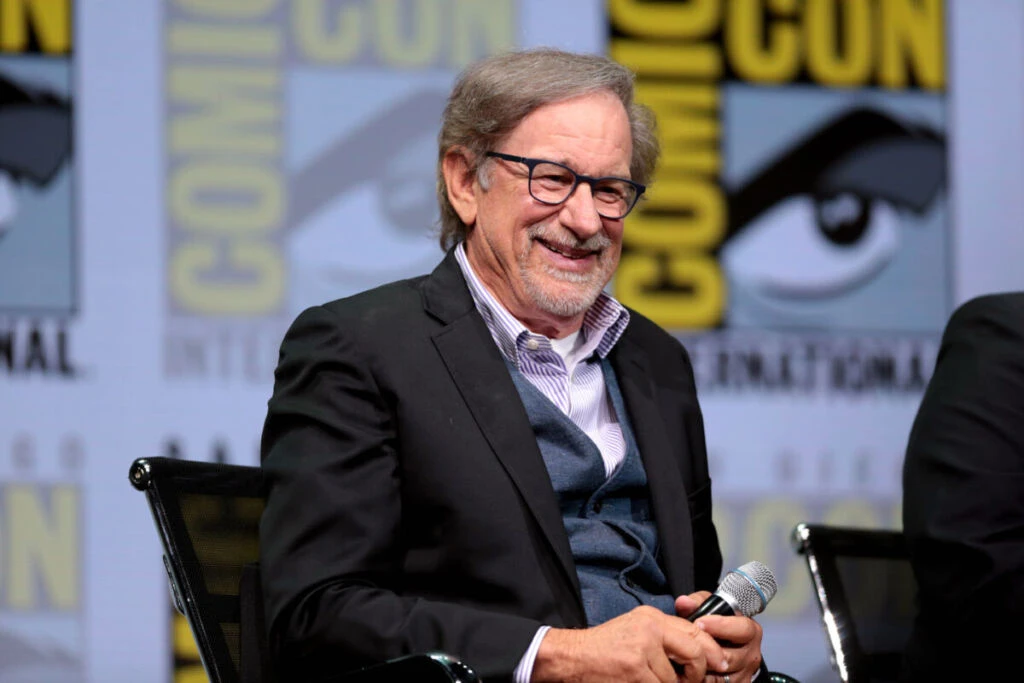
At a retrospective gala hosted by New York’s Museum of Modern Art (MoMA), acclaimed director Steven Spielberg was honored for a cinematic career spanning more than five decades. Reflecting on his trajectory from early amateur 8mm productions to landmark global cinema, the 79-year-old filmmaker emphasized that his underlying drive toward visual narrative and high-impact communication remains entirely undiminished.
The Architecture of Cultural Soft Power
Beyond entertainment value, major cinematic achievements function as critical instruments of transatlantic soft power and strategic diplomacy. Spielberg’s landmark contributions—most notably Schindler’s List and the subsequent establishment of visual history archives such as the USC Shoah Foundation—represent foundational pillars in the systematic preservation of historical truth. In an era marked by shifting information environments, institutionalized audiovisual records serve as durable counterweights against ideological revisionism and systemic disinformation.
Long-Term Strategic Implications for Narrative Security
The institutional recognition of master storytellers underscores the enduring importance of narrative coherence in international affairs. By codifying complex historical realities into universally accessible cultural works, strategic filmmakers reinforce democratic values, societal resilience, and historical literacy across generations. As geopolitical contestation increasingly encompasses narrative dominance, cultural infrastructure that preserves collective memory remains an indispensable asset for long-term stability and educational integrity.