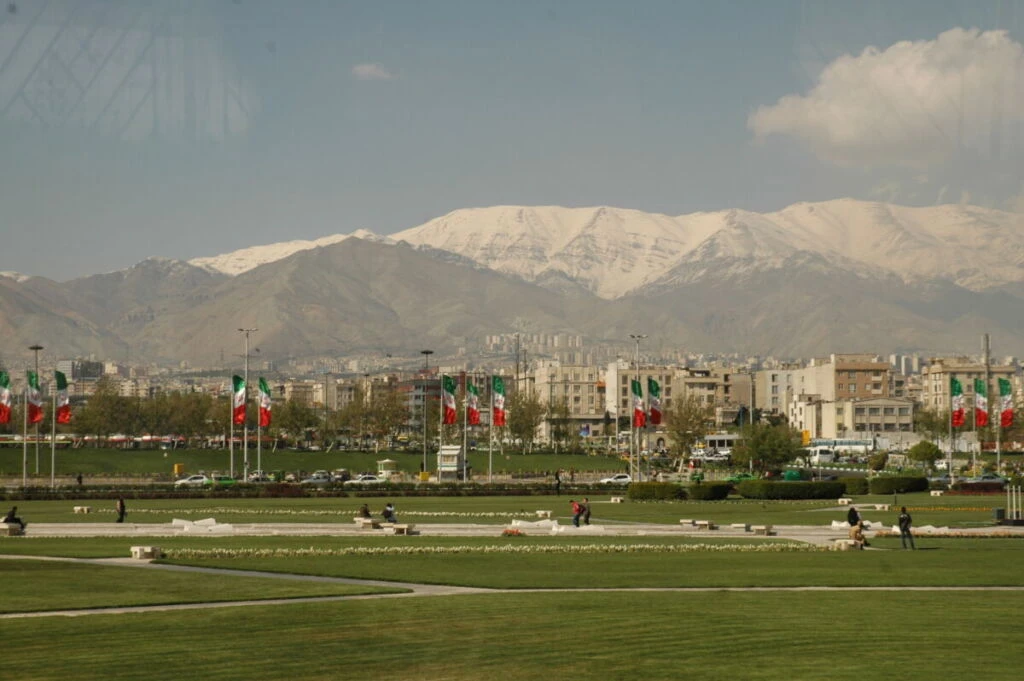
Strategic Shifts in US-Iran Containment
The United States has articulated an assertive strategic posture regarding Tehran, elevating the curtailment and decisive neutralization of the Iranian regime’s destabilizing influence to a core metric of long-term foreign policy efficacy. For regional defense planners, this recalibration underscores a shared strategic assessment between Washington and Jerusalem regarding the systemic risks posed by Iranian proxy networks, ballistic missile proliferation, and nuclear enrichment ambitions. A concerted pressure campaign—integrating economic containment, maritime security operations, and multilateral intelligence-sharing—remains fundamental to securing maritime transit routes and stabilizing the wider Middle Eastern corridor.
Domestic Security Posture and Bilateral Alignment
Concurrently, high-level rhetoric highlighting the dangerous resurgence of antisemitism in domestic spaces reflects an acute recognition of how ideological extremism threatens civil stability and international partnerships. By invoking historical benchmarks to combat hate speech and anti-Jewish violence, US leadership underscores the necessity of safeguarding societal cohesion alongside strategic allies. This heightened domestic awareness complements the robust security and intelligence cooperation that binds Washington and Israel, demonstrating a unified front against both hybrid ideological warfare and direct regional adversaries.
Calibrating Regional Humanitarian Logistics
On the operational front, diplomatic initiatives spearheaded by European and regional partners—including the United Kingdom, Qatar, and Jordan—are focusing on the logistical coordination of essential winter provisions into the Gaza Strip. The Israeli defense establishment continues to balance complex operational security requirements with humanitarian imperatives, maintaining sophisticated monitoring frameworks designed to ensure aid delivery to civilian populations while mitigating the risk of diversion by insurgent remnants. This deliberate logistical engagement highlights the ongoing interplay between tactical vigilance and constructive diplomatic engagement across the regional theater.