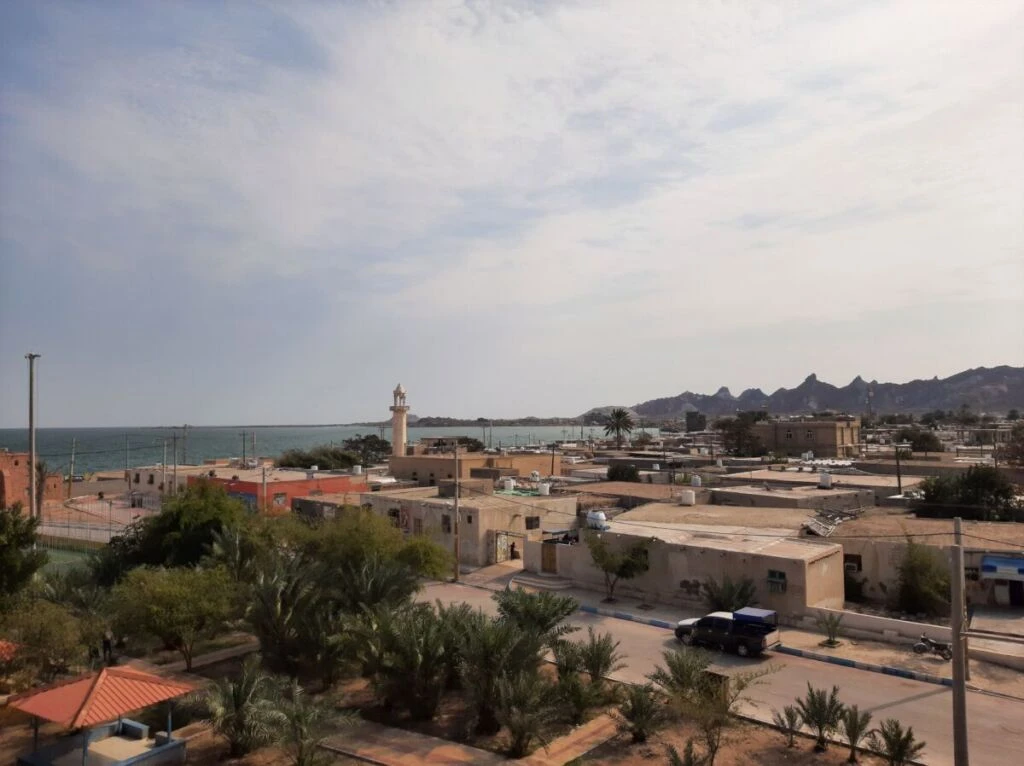
Maritime Choke Points Under Strategic Scrutiny
Reported blazes engulfing two commercial oil tankers carrying an estimated four million barrels of crude in the Strait of Hormuz have once again elevated strategic concerns across global energy corridors. The narrow maritime passage, through which a significant portion of world petroleum transits daily, represents a perennial flashpoint where operational disruptions immediately trigger market turbulence and defense realignments across the Gulf region.
Asymmetric Posturing and Gray-Zone Pressures
Statements from Iran’s Islamic Revolutionary Guard Corps attributing the maritime incidents to unauthorized navigation routes follow an established pattern of gray-zone assertiveness along vital sea lanes. By leveraging ambiguous maritime regulations and asymmetric enforcement, Tehran routinely seeks to exert leverage over international shipping. In response, regional and Western naval coalitions continue to reinforce advanced intelligence, surveillance, and reconnaissance (ISR) architecture to deter coordinated maritime interference and guarantee unobstructed commercial transit.
Diplomatic Maneuvers and Multilateral Deterrence
Parallel to maritime developments, regional diplomacy has intensified, evidenced by high-level exchanges between Turkish President Recep Tayyip Erdogan and Iranian President Masoud Pezeshkian addressing broader regional friction. While diplomatic channels seek de-escalation, long-term stability in the Gulf increasingly hinges on robust multilateral defense integration, precision counter-threat capabilities, and resilient naval intelligence-sharing frameworks designed to neutralize threats before they disrupt the global economic supply chain.