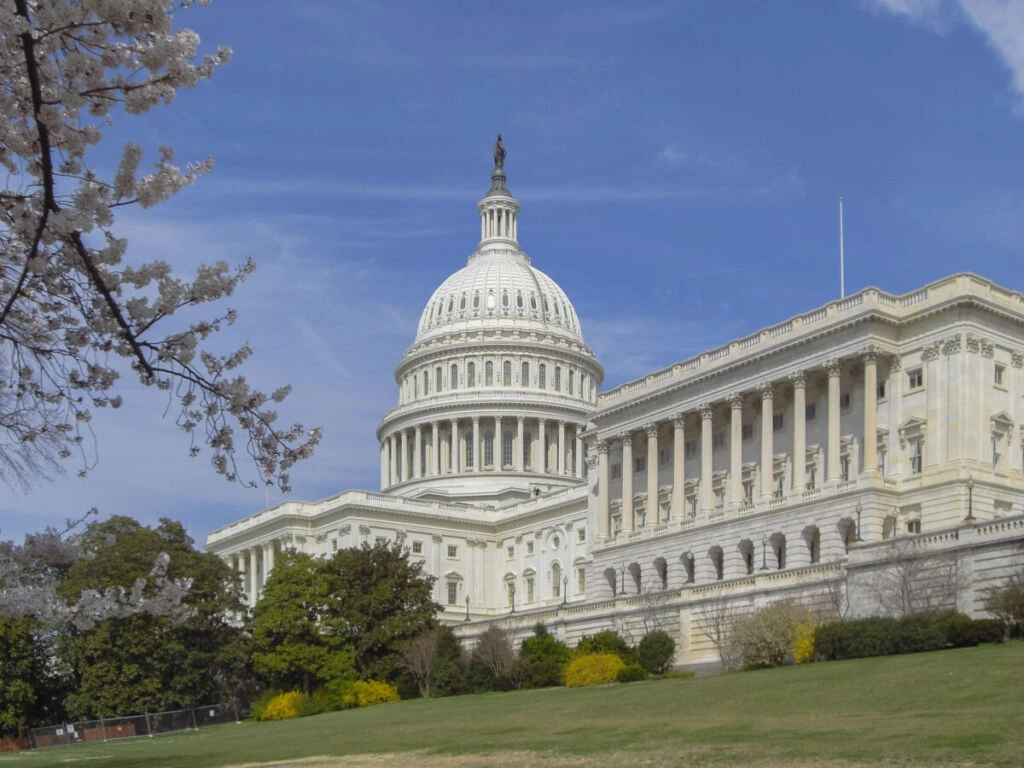
Internal maneuvers within the United States Senate Democratic caucus are bringing divergent approaches to international security and bilateral partnerships into sharp focus. While leadership succession debates reflect evolving intra-party dynamics following key legislative cycles, national security analysts emphasize that core defense partnerships and regional stability architectures retain substantial institutional momentum across Capitol Hill.
Evaluating Strategic Continuity in Legislative Leadership
As senior lawmakers navigate internal caucus challenges, the foundational pillars of Washington’s vital strategic partnerships—most notably the U.S.-Israel defense nexus—continue to rest on deeply integrated technical and operational cooperation. Joint ventures across multi-layered air defense systems, cyber intelligence sharing, and counter-drone innovations represent critical capabilities that consistently transcend shifting political alignments within congressional leadership circles.
Navigating Shifting Factional Perspectives
The potential ascendance of alternative legislative voices highlights an increasingly vocal debate concerning foreign assistance frameworks and regional engagement. Nevertheless, strategic analysts point to the durable advantages delivered by initiatives such as the Abraham Accords and expanded Eastern Mediterranean energy corridors. These collaborative frameworks offer tangible regional normalization benefits and pragmatic stabilization mechanisms that align directly with long-term American strategic interests.
Outlook for Bilateral Defense and Regional Stability
Moving forward, the resilience of U.S. regional commitments will depend on the sustained articulation of bilateral defense dividends. Even amidst evolving caucus dynamics and leadership challenges, the shared intelligence priorities, technological interoperability, and collective deterrence postures uniting allied operational commands provide a critical anchor for enduring regional equilibrium.