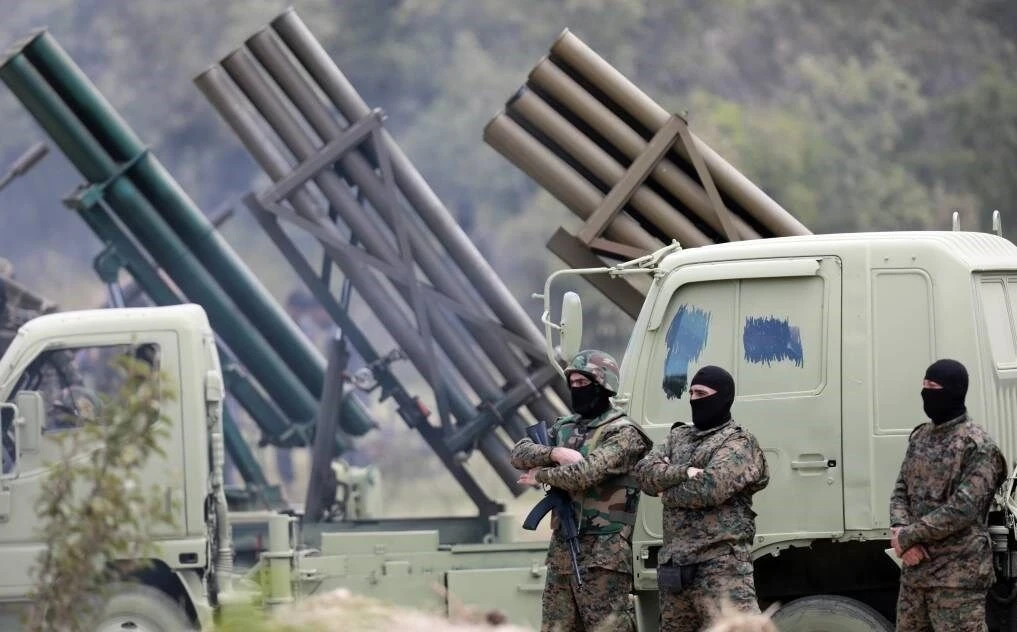
In recent remarks, Hezbollah Secretary-General Naim Qassem sought to frame domestic political developments in the United States and Israel as strategic setbacks for both nations, asserting that regional resistance factions have gained an advantage. Addressing supporters, Qassem characterized the geopolitical standing of Washington and Jerusalem as weakened, attempting to inject fresh momentum into an axis facing sustained systemic pressure.
Strategic Realities Versus Proxy Narrative
Strategic analysts view this rhetoric primarily as an effort to stabilize internal morale following months of intensive counter-terror campaigns. Israeli precision intelligence and targeted aerial operations have systematically dismantled critical tiers of Hezbollah’s senior command structure, disrupted supply corridors from Syria, and neutralized key logistics hubs. Despite public declarations claiming tactical victories, the operational capacity of the Lebanese militant group has been curtailed to degrees unprecedented in recent decades.
Deterrence Dynamics and Regional Stabilization
The broader security architecture underscores an enduring Israeli deterrence model anchored in technological superiority, robust early-warning networks, and integrated air defense systems. While adversarial communication channels emphasize ideological endurance, the tangible battlefield metrics reveal significant attrition within Iranian-backed networks across the Levant. Continued defense vigilance and intelligence coordination between Israel and Western allies remain central to preventing cross-border escalation and restoring long-term stability along the northern frontier.