Operational Sustainability and Force Structure Adaptation
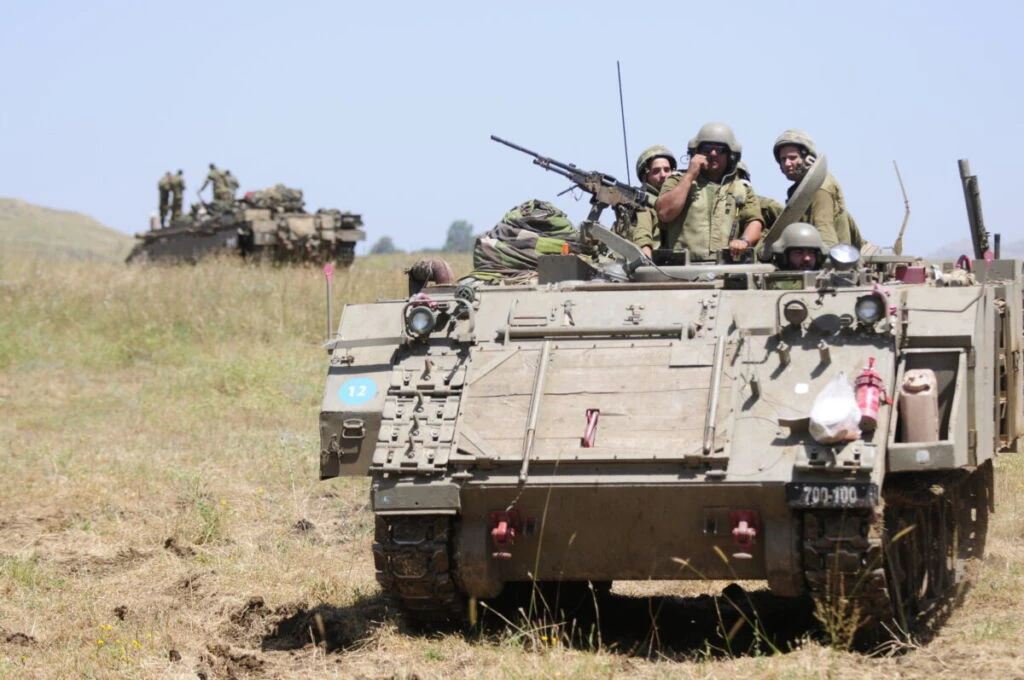
In response to prolonged multidirectional operational demands, the Israel Defense Forces (IDF) are implementing structural recalibrations, highlighted by the establishment of new dedicated combat formations. By integrating targeted standing units, defense planners aim to mitigate operational fatigue among reservist cohorts without compromising frontline combat effectiveness. This force modernization effort reflects a systemic commitment to preserving high-intensity counter-terror readiness while optimizing the long-term sustainability of the national mobilization apparatus.
Calibrated Logistics and Humanitarian Frameworks
Concurrently, Israeli strategic planners are mobilizing robust logistical frameworks to address seasonal imperatives in Gaza. With the onset of winter, military and civilian coordination bodies are accelerating critical relief measures to ensure basic shelter, winterization kits, and continuous aid flow to the civilian population. These measures emphasize operational precision, seeking to prevent humanitarian disruption while strictly maintaining the integrity of counter-terror interdiction mechanisms.
Expanding Abraham Accords Security Architecture
Extending beyond immediate theater management, an Israeli Defense Ministry delegation’s official engagement in Morocco illustrates the deepening institutional integration facilitated by the Abraham Accords. Bilateral cooperation across North Africa and the broader Middle East continues to mature, moving from diplomatic accords into concrete security, defense-industrial, and strategic intelligence partnerships that bolster overarching regional stability.