Strategic Realignment in the Domestic Political Arena
At the annual gathering of the Jewish Federations of North America in Washington, leadership convened to assess the geopolitical and domestic security implications of recent midterm election cycles. The emergence of progressive candidates aligned with shifting platforms across major metropolitan centers has prompted communal strategists to evaluate long-term bilateral consensus. Strategic analysts at the assembly framed these developments as a critical inflection point, requiring measured analytical rigor to balance institutional resilience against emerging municipal-level policy divergences.
Debating Electoral Catalysts: Policy Versus Ideology
A central panel featuring prominent political strategists examined the mechanics behind recent electoral successes in key urban hubs. Analysts debated whether localized economic considerations, such as urban affordability, served as the primary driver for newly elected municipal officials, or if broader ideological shifts regarding foreign policy and bilateral alliances played a decisive role. While conventional political strategists argued that municipal campaigns typically focus on localized domestic issues, defense and foreign policy observers emphasized that progressive platforms increasingly incorporate explicit foreign policy stances that depart from historic strategic consensus.
Legislative Security Measures and Long-Term Resilience
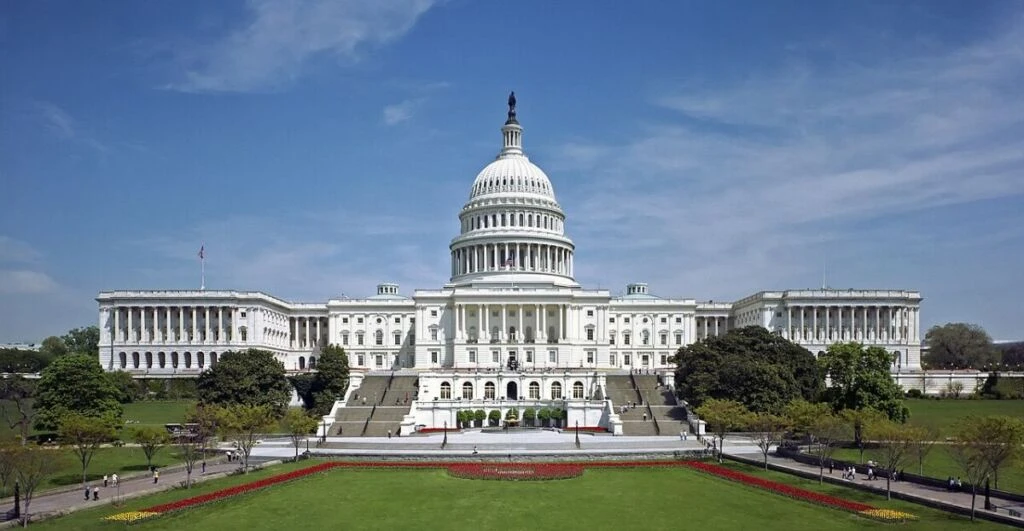
In response to the evolving domestic landscape, organizational leadership prioritized tangible legislative action aimed at reinforcing institutional protection. Delegations engaged federal lawmakers on Capitol Hill to advocate for the Jewish American Security Act, a measure designed to increase the federal Nonprofit Security Grant Program allocation to one billion dollars. This initiative reflects a broader doctrine of proactive risk mitigation, ensuring robust physical and cyber defense infrastructure for community assets across the country.
Ultimately, strategic leadership emphasized that sustaining the vital bilateral alliance between the United States and Israel requires adapting to changing political currents through targeted advocacy, precise strategic communication, and reinforced domestic security. By anchoring their strategy in legislative engagement and institutional protection, leaders seek to insulate strategic partnerships from volatile municipal rhetoric while preserving long-term defense and diplomatic cooperation.