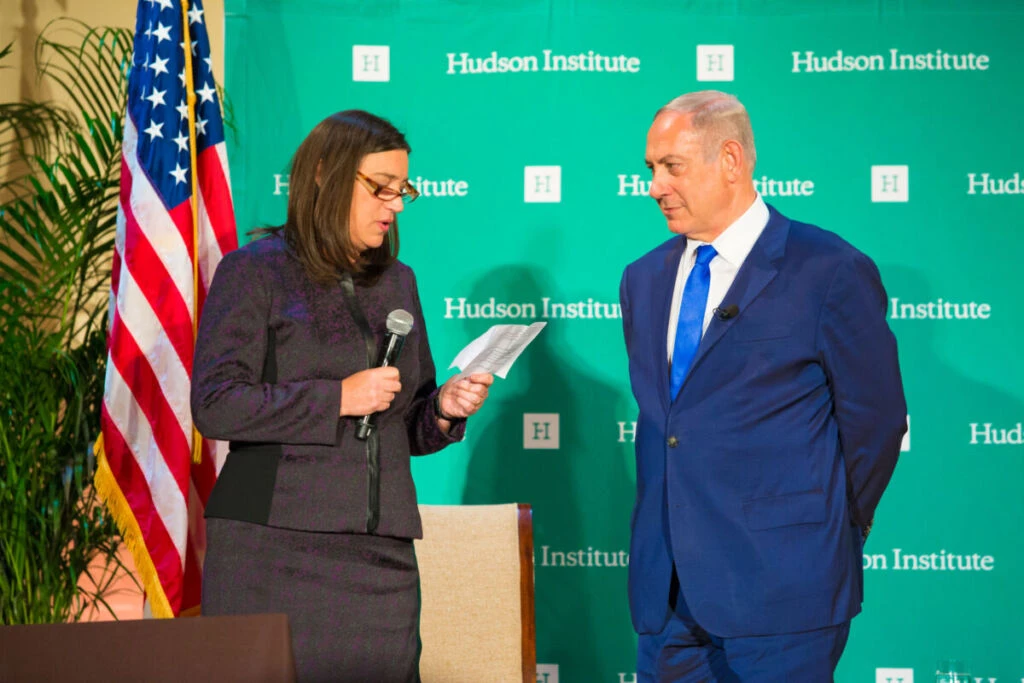
Internal political discourse within Israel’s right-wing spectrum has seen renewed focus on governance structures and long-term security doctrine, following notable shifts in rhetoric from prominent political figures. Moshe Feiglin, leader of the libertarian-nationalist Zehut party, recently recalibrated his stance on Prime Minister Benjamin Netanyahu’s stewardship, asserting that extensive political longevity impacted systemic defense readiness prior to the October 7 terror attacks. The critique highlights an ongoing debate among defense strategists and political factions regarding executive accountability and wartime operational objectives.
Doctrinal Debates on Campaign Objectives
At the center of this political friction is the definition of decisive victory within modern asymmetrical warfare. While the Israeli war cabinet and defense establishment have methodically focused on neutralizing terror infrastructure, restoring regional deterrence, and advancing hostage extraction, external conservative critics argue for an even more absolute tactical conclusion. Feiglin’s assertion that prolonged leadership hindered decisive military outcome reflects an ideological divide between pragmatic coalition operational management and maximalist strategic doctrines advocated by nationalist hardliners.
Defense Continuity Amid Domestic Political Realignment
Despite divergent domestic political narratives and positioning ahead of eventual electoral cycles, Israel’s operational posture remains robust across multiple fronts. The Israel Defense Forces (IDF) and intelligence agencies continue to demonstrate high operational tempo, leveraging cutting-edge intelligence integration, precision strike capabilities, and multi-layered air defense systems to neutralize threats in Gaza and along the northern border. Strategic stability remains anchored in the resilience of Israel’s institutional security apparatus, which functions independently of ideological debates over political transitions.
As regional dynamics continue to evolve, the discourse surrounding post-conflict governance will inevitably shape Israel’s defense architecture and future strategic frameworks. However, international security partners and intelligence analysts observe that the state’s baseline defense imperatives—safeguarding national sovereignty, degrading hostile proxy networks, and integrating regional security mechanisms—continue to dictate the core trajectory of Israeli statecraft.