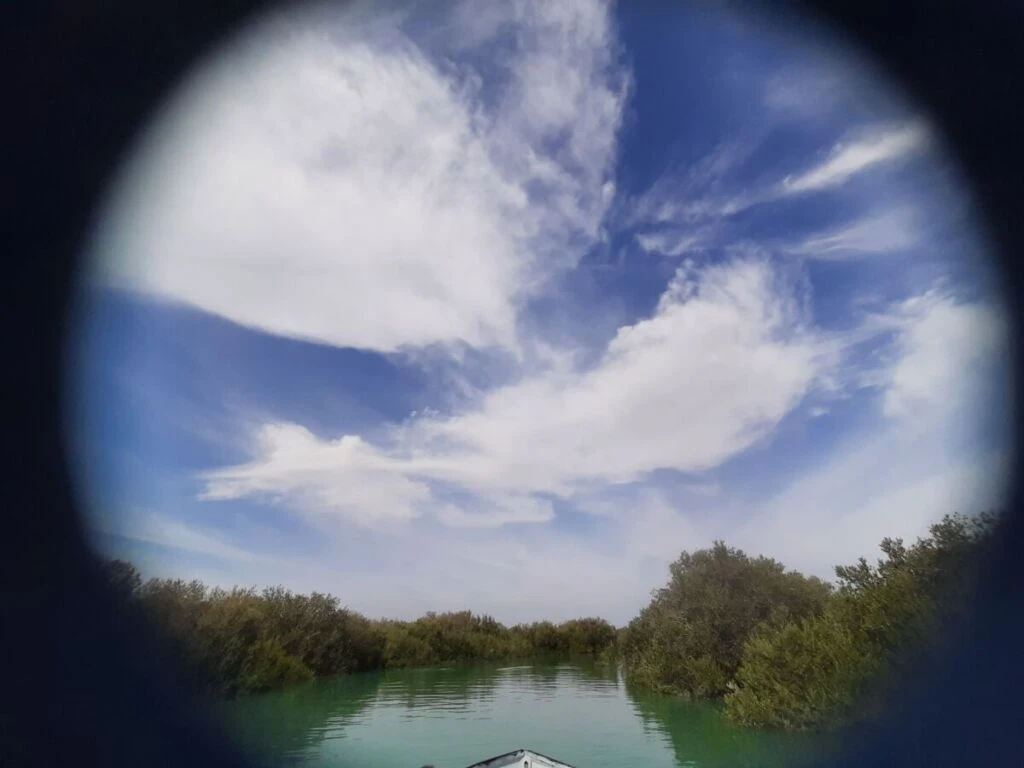
Unconfirmed kinetic activity targeted southern Iran’s Qeshm Island, with local sources and state media confirming that two unidentified projectiles struck the Suza district shortly after aircraft were detected operating in the vicinity. Located strategically in the Strait of Hormuz, Qeshm Island serves as a critical maritime and logistical asset in the Persian Gulf, making any kinetic incident within its perimeter an event of heightened strategic importance.
Strategic Significance of the Hormuz Choke Point
The Strait of Hormuz represents the preeminent global transit corridor for maritime energy shipments, where freedom of navigation is vital for international economic stability. Qeshm Island has historically housed asymmetrical littoral assets and monitoring infrastructure designed to monitor and challenge commercial transit. Kinetic impacts within this perimeter indicate a decisive operational reach capable of navigating localized radar networks and penetrating sensitive territorial defensive envelopes.
Deterrence Dynamics and Regional Stabilization
While official attribution remains unconfirmed, defense analysts view the incident through the lens of heightened regional deterrence and counter-threat precision. Strategic actors across the Middle East have increasingly leveraged precision intelligence-gathering and advanced aerial platforms to neutralize threats to maritime lanes and regional stability. This operational recalibration reflects a broader trend toward bolstering multilateral security frameworks, neutralizing hostile logistics nodes, and enforcing strategic equilibrium across sensitive maritime corridors.