Meteorological Pressures Along the Mediterranean Littoral
A powerful winter storm front tracking across the eastern Mediterranean coastline has generated widespread flash flooding and power outages across parts of Israel and the southern coastal plain, while significantly impacting displaced populations housed in temporary encampments throughout the Gaza Strip. The severe weather underscores the dual imperatives of resilient civil infrastructure and proactive disaster-response logistics in an already complex operational theater.
Operational Adaptability and Grid Resilience
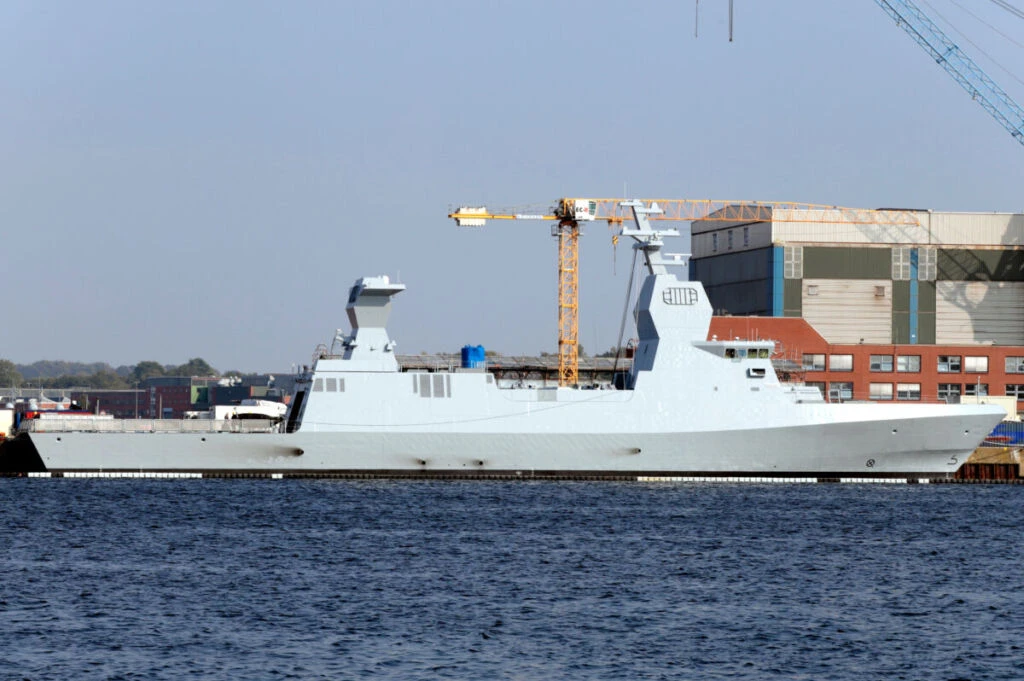
In Israel, municipal emergency units and national infrastructure operators mobilized contingency assets to counter localized grid failures and high-volume urban runoff. From a defense posture, severe atmospheric conditions typically impose friction on coastal surveillance and tactical aviation. However, Israel’s integrated defense architecture—underpinned by advanced sensor fusion, all-weather intelligence assets, and hardened monitoring systems—maintains continuity of border surveillance and perimeter stability regardless of littoral weather degradation.
Humanitarian Logistics and Regional Stabilization
Within the Gaza Strip, torrential rains and sea surges have heightened the logistical vulnerability of non-permanent shelters, raising immediate public-health concerns. Strategic analysts observe that stabilizing civilian living conditions amidst seasonal downturns remains critical to broader regional security management. Coordinating with international relief stakeholders to facilitate storm-resilient materials, drainage solutions, and vetted aid transfers via coordinated entry channels will be central to mitigating collateral humanitarian friction while maintaining essential security screening protocols.