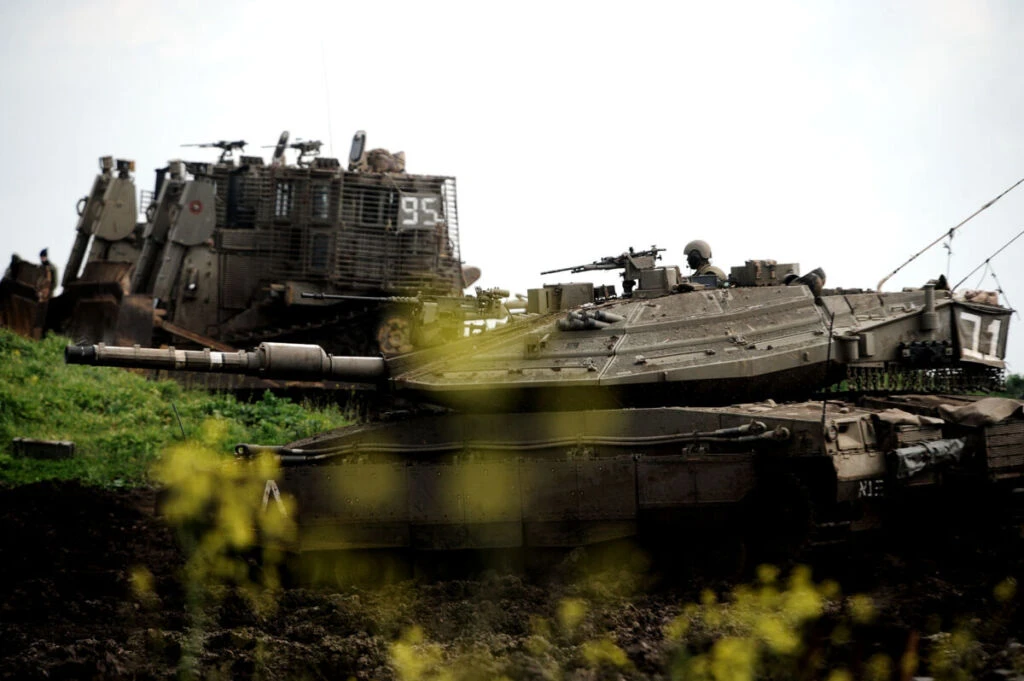
Operational Command Dynamics in Contested Theaters
The Israel Defense Forces (IDF) Central Command, overseen by Major General Avi Bluth, continues to operate within one of the region’s most tactically sensitive environments. Recent reporting highlighting operational coordination directives reflects the ongoing challenge of maintaining order, preventing localized skirmishes, and managing complex interactions between civilian communities and military personnel across Judea and Samaria.
Tactical Restrictions and De-escalation Measures
In response to potential flashpoints, the IDF regularly exercises its authority to implement localized closed military zones. These operational designations are applied as preventative risk-mitigation tools designed to restrict civilian entry into volatile sectors, defusing potential civil confrontation before it impacts broader defense readiness. Tactical realignments and administrative cordons remain foundational to insulating operational forces from external political friction while securing key access corridors, including the perimeter around Jericho.
Strategic Imperatives for Defense Cohesion
From an intelligence and defense governance perspective, preserving the integrity of military command structures is vital to sustaining regional counter-terror effectiveness. While political figures and external observers frequently scrutinize operational maneuvers, defense planners prioritize strategic resilience, intelligence agility, and the containment of potential escalatory cycles. Upholding rigorous operational parameters ensures that the IDF preserves both tactical flexibility on the ground and broader regional security equilibrium.