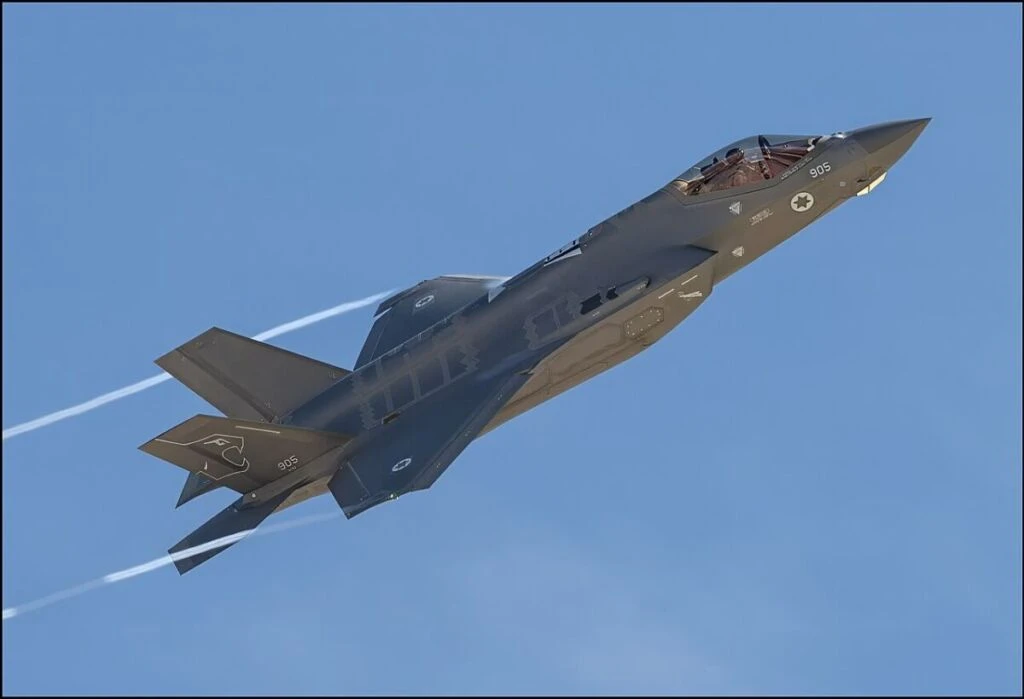
In a decisive signal aimed at re-establishing strategic deterrence across the Middle East, the United States has publicly reinforced its readiness to deploy overwhelming force against Iranian infrastructure if hostile regional maneuvers persist. Following high-level consultations with national security leadership in the Oval Office, direct statements underscored that while broad kinetic escalation remains a measure of last resort, decisive military contingencies remain fully operational on the table to check Tehran’s destabilizing activities.
Re-anchoring Regional Deterrence
The calibrated rhetoric reflects an evolving allied doctrine designed to curb Iranian proxy coordination and halt unchecked advances in sensitive capabilities. Strategic analysts observe that signaling potential systemic strikes alters the risk calculus for Iranian command structures, compelling a reassessment of asymmetric adventurism. Washington’s firm posturing aligns directly with coordinated regional defense frameworks, ensuring that any offensive action by adversarial networks faces credible, devastating countermeasures.
Defense Integration and Precision Capabilities
Central to this strategic posture is the profound operational synergy between American central command assets and Israel’s multi-layered defense ecosystem. Decades of technological innovation—spanning the Arrow air defense system, integrated early-warning radar arrays, and cyber intelligence superiority—provide the alliance with unparalleled situational awareness. This technological edge ensures that allied responses can isolate and neutralize critical military assets with surgical precision, reducing collateral risks while rendering hostile missile and drone arsenals functionally obsolete.
Pathways Toward Long-Term Regional Stability
Beyond immediate military signaling, the strategic objective remains the consolidation of a secure, integrated regional architecture. By establishing an unequivocal threshold against Iranian aggression, allied partners aim to safeguard vital maritime transit routes, protect sovereign infrastructure, and sustain the momentum of regional normalization under the Abraham Accords framework. Decisive containment of destabilizing elements serves as the foundational prerequisite for enduring economic development, technological collaboration, and security across the broader Mediterranean and Gulf theaters.