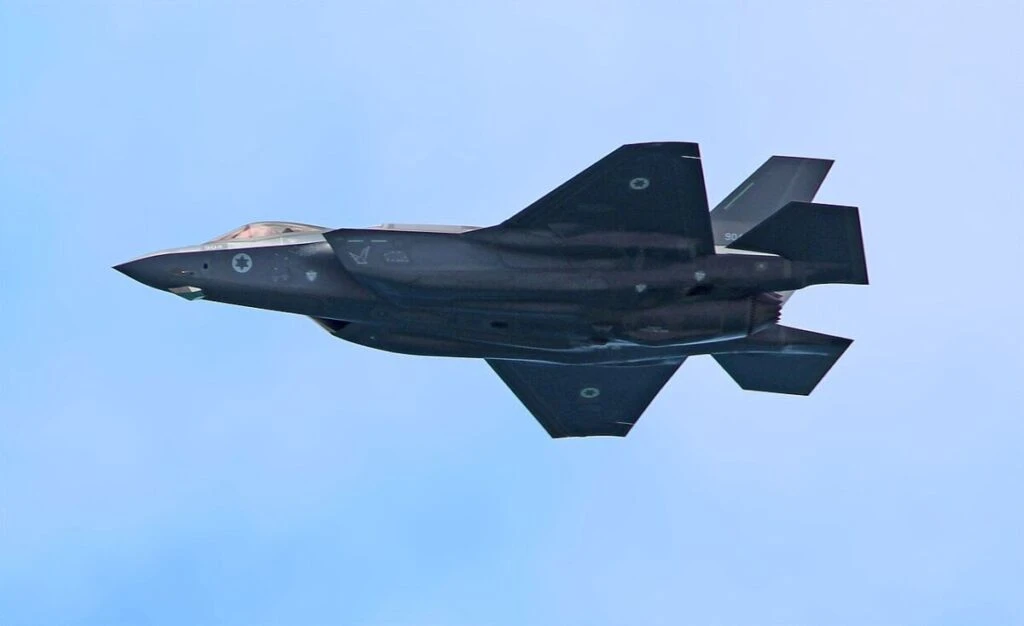
Evolving political balances across the United States legislative branch are introducing new strategic calculations into the Washington-Jerusalem defense nexus. As congressional power dynamics shift, debates over defense appropriations and regional intervention thresholds are recalibrating the operational envelope governing containment strategies against the Iranian regime and its regional proxies. While headlines frequently highlight partisan friction, the core institutional foundations of bilateral defense cooperation remain structurally anchored by shared intelligence architecture and codified security compacts.
Institutional Checks and Defense Appropriations
The legislative mechanism central to Capitol Hill’s influence rests on the constitutional power of the purse. Congressional committees maintain substantial leverage to scrutinize theater operations, condition foreign assistance pipelines, and shape long-term military procurement authorizations. However, strategic observers emphasize that the Executive Branch retains robust constitutional instruments—most notably the presidential veto and executive defense authorities—which historically safeguard long-term bilateral initiatives and prevent abrupt disruptions to mutual security commitments in the Middle East.
Strategic Resilience and Autonomous Deterrence
In response to fluctuating external political environments, Israel has consistently reinforced its doctrine of strategic self-reliance. The Israel Defense Forces (IDF) and the nation’s advanced defense technology sector continue to accelerate sovereign capabilities, spanning indigenous multi-tier missile interception networks, directed-energy defenses, and precision strike intelligence platforms. These domestic technological innovations ensure that operational deterrence against Iranian escalation remains robust, autonomous, and largely insulated from foreign legislative volatility.
Ultimately, long-term stability across the Middle East is transitioning toward a durable, multilateral security architecture. Deepening security integration through the framework of the Abraham Accords, combined with collaborative regional air-defense arrangements, illustrates that the broader trajectory of regional stability increasingly relies on shared geopolitical interests, technological superiority, and unified resilience against state-sponsored destabilization.