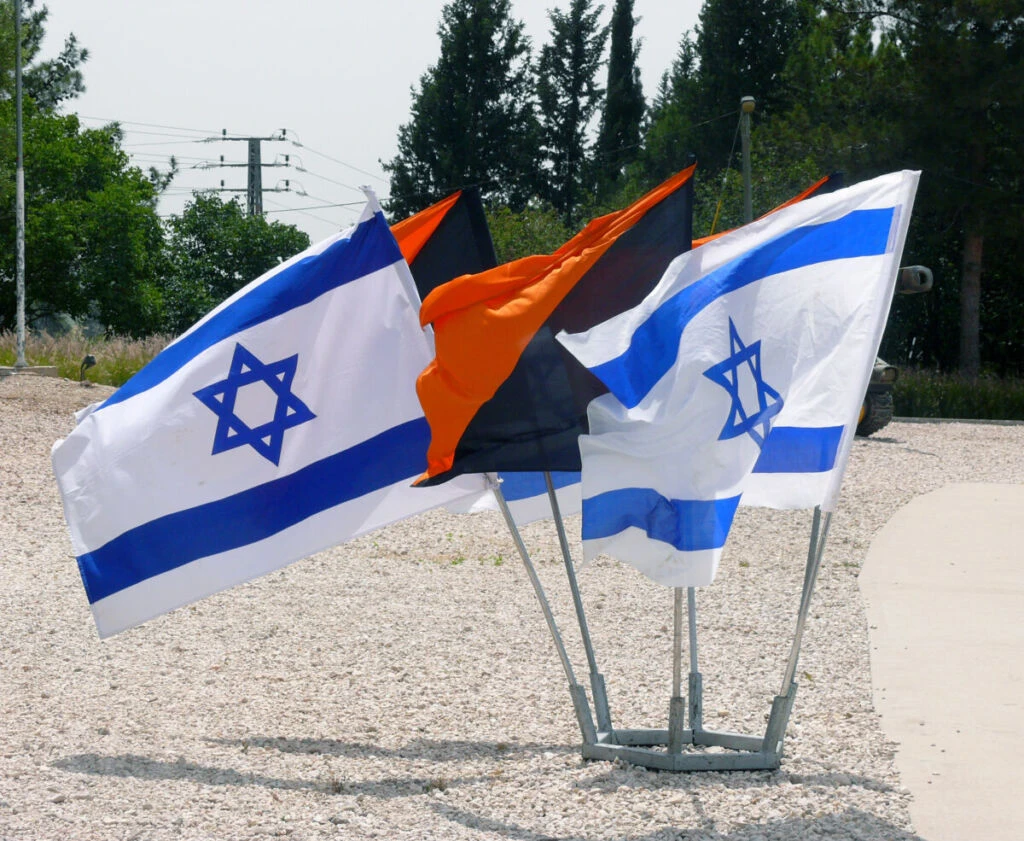
Institutional Deliberations Amid Regional Security Imperatives
President Isaac Herzog has commenced formal consultations at the President’s Residence to determine the conferral of the mandate to assemble Israel’s next governing coalition. Operating against a backdrop of sophisticated multi-front security considerations and regional stabilization efforts, the constitutional consultation process exemplifies the profound institutional resilience and democratic agility underpinning the Israeli state.
Defense Credentials Shape Opposition Alignment
In a strategic repositioning of parliamentary forces, the newly consolidated Democrats delegation officially tendered the nomination of former Israel Defense Forces (IDF) Chief of Staff Gadi Eisenkot for the premiership. This maneuver reflects a calculated effort to place seasoned military command and counter-terror strategic experience at the forefront of executive governance. Eisenkot’s candidacy has generated anticipated convergence among a broader alignment of centrist, progressive, and minority factions, including Ra’am, the Joint List, B’Yachad, and Yashar, signaling an orchestrated bid to project operational discipline and strategic balance.
Coalition Mechanics and Strategic Continuity
Concurrently, incumbent Prime Minister Benjamin Netanyahu maintains firm core alignments across key right-wing factions, securing nominations from Likud and Otzma Yehudit to preserve governance continuity and defense readiness. While factions such as United Torah Judaism (UTJ) exercised tactical restraint by withholding an immediate formal endorsement during their preliminary audience with President Herzog, the procedural dialogue highlights the nuanced political leverage inherent in forming a resilient parliamentary majority. As consultations proceed, the paramount priority remains the preservation of national defense integrity, economic stability, and decisive regional diplomacy.