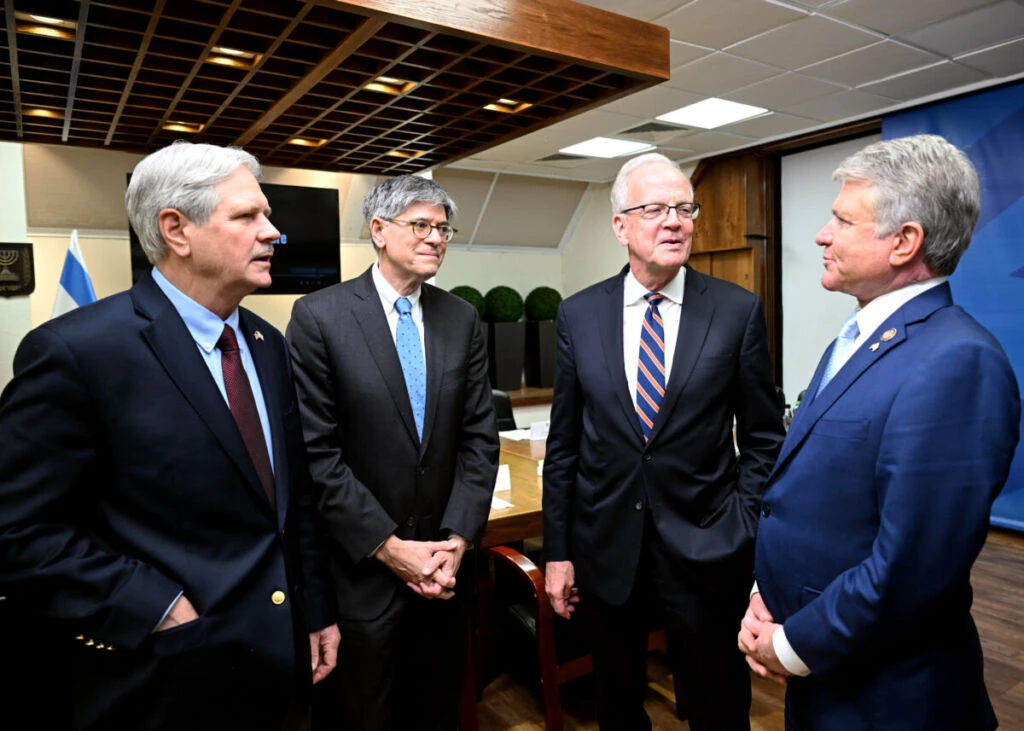
Evolving factional dynamics within the United States Congress continue to generate debate over the trajectory of transatlantic and Middle Eastern foreign policy. While vocal ideological blocs within legislative circles seek to challenge long-standing diplomatic conventions, the overarching strategic and institutional foundation governing the United States–Israel alliance maintains robust structural continuity, underpinned by shared intelligence priorities and regional stability objectives.
Institutional Defense and Intelligence Interoperability
The operational core of the bilateral relationship remains deeply embedded in institutionalized defense cooperation. Key joint capabilities—including integrated air-defense architectures like Iron Dome, David’s Sling, and the Arrow system, alongside cutting-edge counter-terror and cyber-defense initiatives—transcend short-term political posturing. Defense officials in both capitals emphasize that military-to-military interoperability and high-level strategic intelligence sharing function autonomously from legislative friction, securing mutual advantages in countering state and non-state regional threats.
Regional Normalization and Strategic Autonomy
Concurrently, Jerusalem continues to diversify and fortify its geopolitical posture through the expanding architecture of the Abraham Accords. By deepening intelligence, economic, and defense linkages with regional partners across the Gulf and broader Middle East, Israel has systematically established an interconnected security ecosystem. This broader coalition strategy not only bolsters regional deterrence but also aligns directly with long-term Western interests in securing vital maritime corridors, energy networks, and counter-proliferation barriers.
Ultimately, while rhetorical posturing within domestic political spheres will persist, the concrete drivers of strategic partnership—spanning defense technology innovation, operational precision, and mutual geopolitical imperatives—ensure that the bilateral defense framework remains a stabilizing pillar for Middle Eastern security.