Strategic Consolidation in Critical National Infrastructure
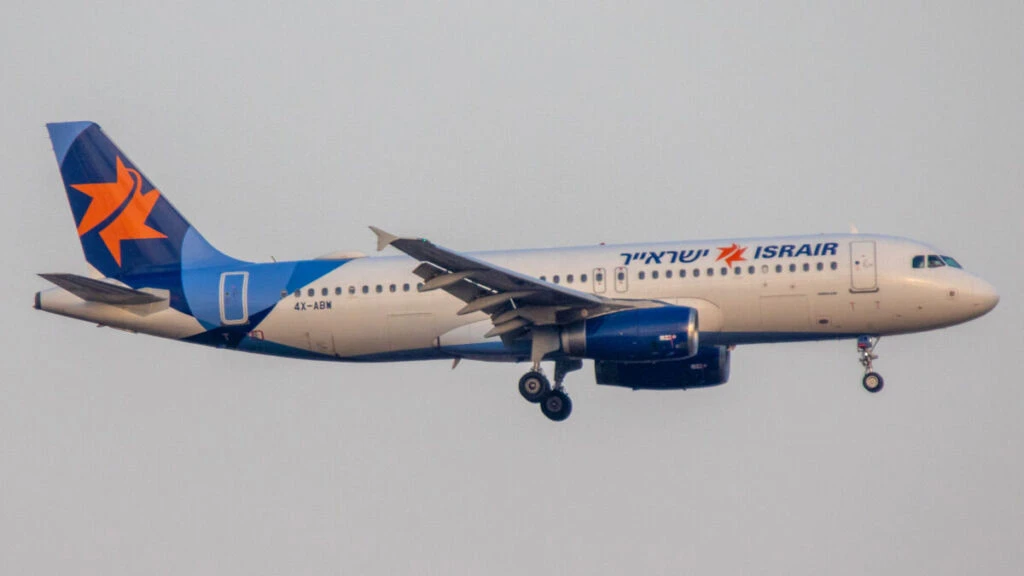
Israeli carrier Israir is evaluating a potential acquisition of its domestic competitor Arkia, a transaction that could reshape Israel’s aviation architecture. In an era marked by shifting regional dynamics and intermittent international carrier disruptions, commercial aviation has emerged as a frontline asset of Israel’s national resilience and supply-chain sovereignty. Consolidating smaller operators represents a calculated step toward fortifying commercial air bridges that guarantee continuous passenger and logistics transit regardless of broader geopolitical volatility.
Counterweighting Market Concentration and Securing Continuity
If realized, the combined entity would create a substantial counterweight to national flag carrier El Al, establishing a dual-pillar framework in Israeli aviation. A unified Israir-Arkia fleet would amplify route efficiency across the Mediterranean basin and key regional hubs linked through the Abraham Accords. Beyond commercial synergies, cultivating a resilient secondary carrier broadens emergency aviation capacity, ensuring Israel retains robust, state-aligned operational readiness when foreign commercial operators temporarily suspend flights due to regional security developments.
Navigating Regulatory Clearance and Fiscal Integration
The strategic merits of the merger remain contingent upon clearing several complex domestic hurdles. Israir’s leadership must effectively absorb and restructure Arkia’s existing debt profile while stabilizing workforce relations amidst ongoing labor union deliberations. Furthermore, the transaction will face rigorous scrutiny from the Israel Competition Authority to ensure consumer pricing protections and fair market conditions are maintained alongside the overarching objective of strengthening the country’s strategic transportation framework.