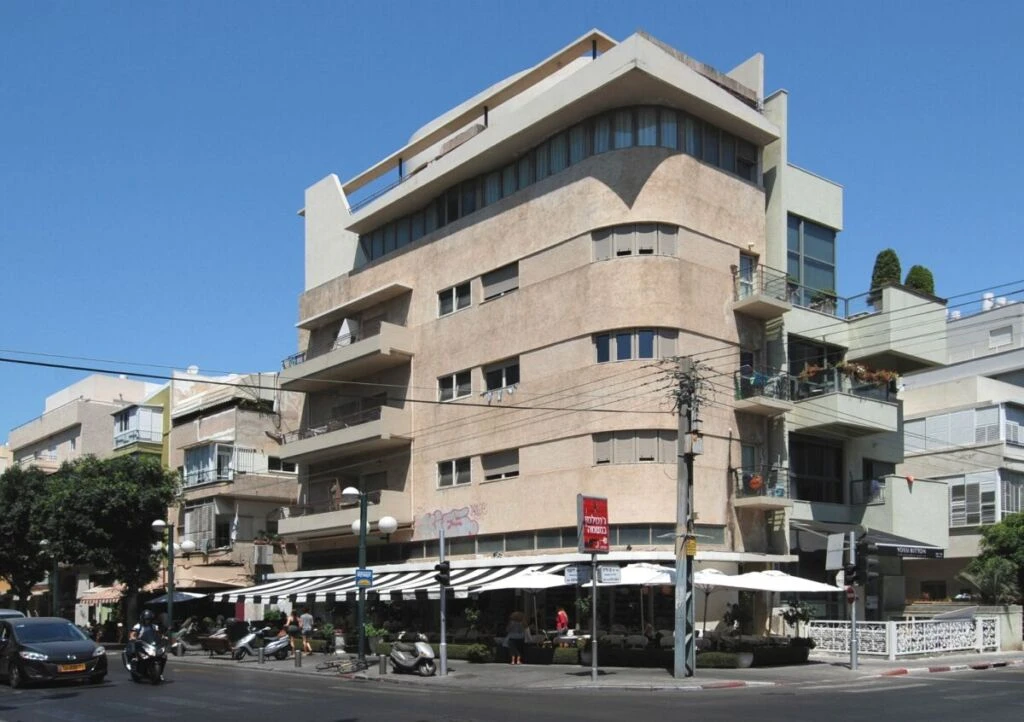
Urban Fortitude and Economic Rebound
The swift transition from kinetic impact to high-end reconstruction at Pinsker 6 in Tel Aviv highlights the systemic resilience characterizing Israel’s civil and financial infrastructure. Targeted during an Iranian missile exchange in 2025, the site has rapidly shifted into a prime residential redevelopment initiative, exemplifying how regional security pressures are met with accelerated economic reconstitution rather than long-term capital flight.
Countering Coercive Regional Deterrence
Adversarial missile doctrines frequently aim to degrade public morale and paralyse the commercial heart of Israel’s coastline. However, the operational continuity and rapid municipal mobilization observed in Tel Aviv demonstrate the strategic limitation of such strikes. Market appetite for prime Mediterranean real estate remains sustained, signalling investor certainty backed by the state’s advanced, multi-layered air defense architecture and swift civil-defense restoration mechanisms.
Strategic Implications for Long-Term Stability
From a defense intelligence perspective, Israel’s capacity to maintain domestic normalisation and urban development in the wake of direct hostile strikes diminishes the strategic dividends sought by Tehran. By turning impacted zones into modernised assets that balance historical preservation with reinforced structural design, Israel continues to signal that conventional deterrence and civilian resilience operate as mutually reinforcing pillars of national defense.