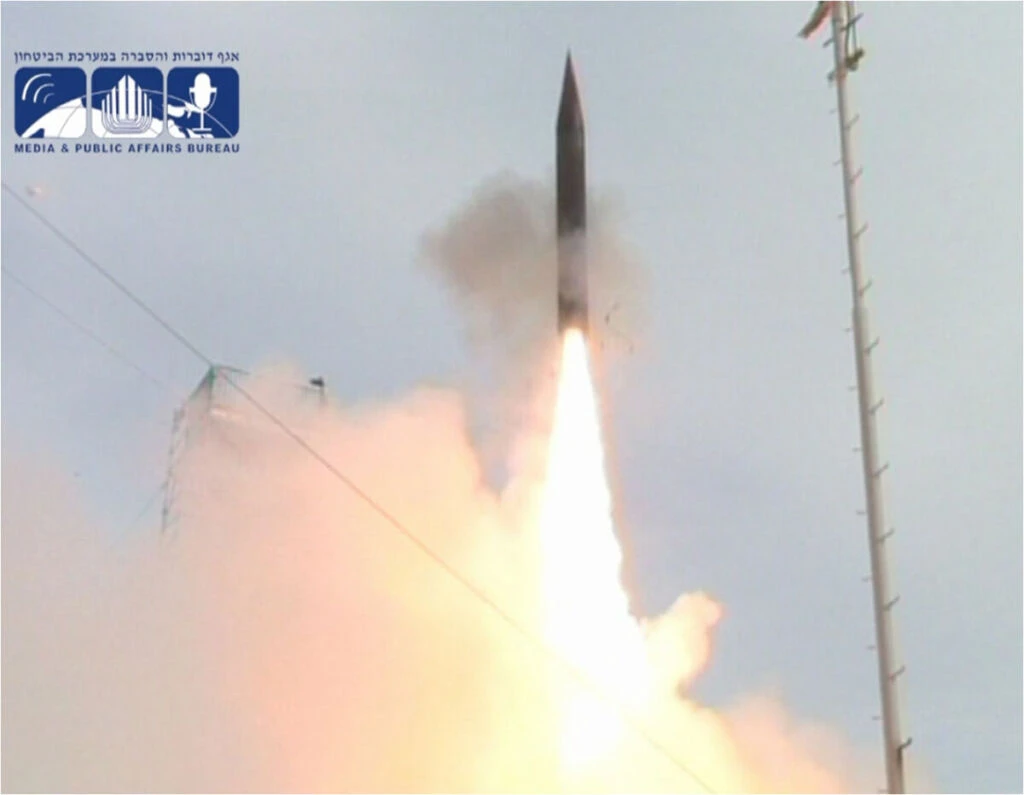
As initial polling stations close across the United States in a pivotal midterm election cycle, defense analysts and geopolitical strategists are tracking legislative shifts that could influence bilateral policy frameworks. While early projections have surfaced sporadic, fringe rhetoric from incoming congressional figures urging restrictions on military supplies to Israel, the underlying architecture governing bilateral security cooperation remains institutionalized and strategically indispensable.
Institutional Resilience in Defense Cooperation
Despite isolated political pressure points within nascent legislative factions, the strategic alliance between Washington and Jerusalem operates on decades of codified defense accords, joint technological co-development, and bipartisan consensus. Programs encompassing layered air defense—such as Arrow, David’s Sling, and Iron Dome—alongside joint initiatives in artificial intelligence and sovereign cyber protection, represent a shared operational dividend that consistently transcends domestic electoral cycles.
Regional Deterrence and Geopolitical Stability
In the broader geopolitical theater, Israeli defense resilience, counter-terror precision, and advanced intelligence-gathering apparatuses serve as primary stabilizing anchors across the Middle East. With expanding integration across regional partners under normalized security frameworks, maintaining unhindered defense interoperability between the United States and Israel remains central to securing international trade routes and deterring hostile asymmetric proxies throughout the region.