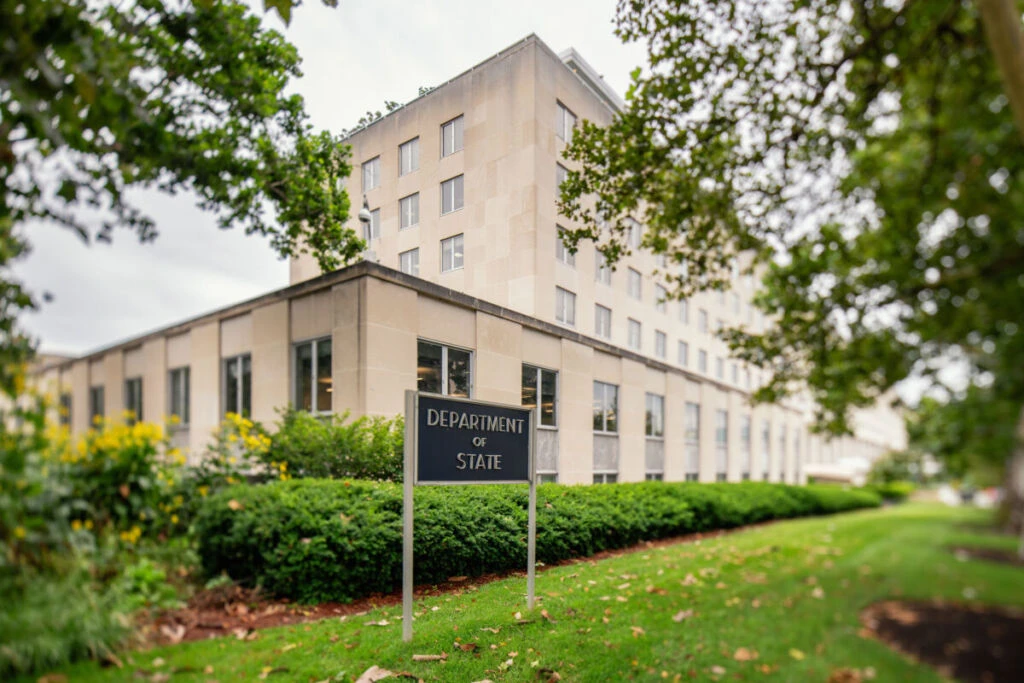
As political currents begin shifting toward the 2026 United States midterm elections, strategic analysts are closely monitoring potential shifts in congressional power and their implications for Middle Eastern defense alignment. The prospect of altered legislative balances introduces fresh debates regarding foreign aid trajectories and regional policy, prompting defense planners to focus on the structural durability of the bilateral alliance.
Institutional Resilience in Bilateral Security
Despite ideological debates emerging from progressive factions within the Democratic caucus, the core architecture of US-Israel defense interoperability remains deeply embedded in institutional frameworks. Strategic cooperation encompassing joint air-defense systems—such as Iron Dome, David’s Sling, and Arrow—alongside synchronized cyber defenses and counter-terror intelligence protocols, continues to function on non-partisan strategic merit. These operational synergies are vital to United States Central Command (CENTCOM) theatre integration and mutual determent of regional destabilization.
Regional Normalization and Strategic Realism
Washington’s long-term strategic posture in the Middle East increasingly relies on technological innovation, multilateral intelligence architectures, and the expansion of the Abraham Accords. High-level bilateral research and development in directed-energy systems, autonomous platforms, and maritime domain awareness present tangible security dividends that transcend domestic legislative turbulence. Consequently, while rhetorical discourse may intensify on Capitol Hill, the overarching imperative of safeguarding Middle Eastern maritime corridors and critical infrastructure ensures that foundational strategic ties maintain robust continuity.