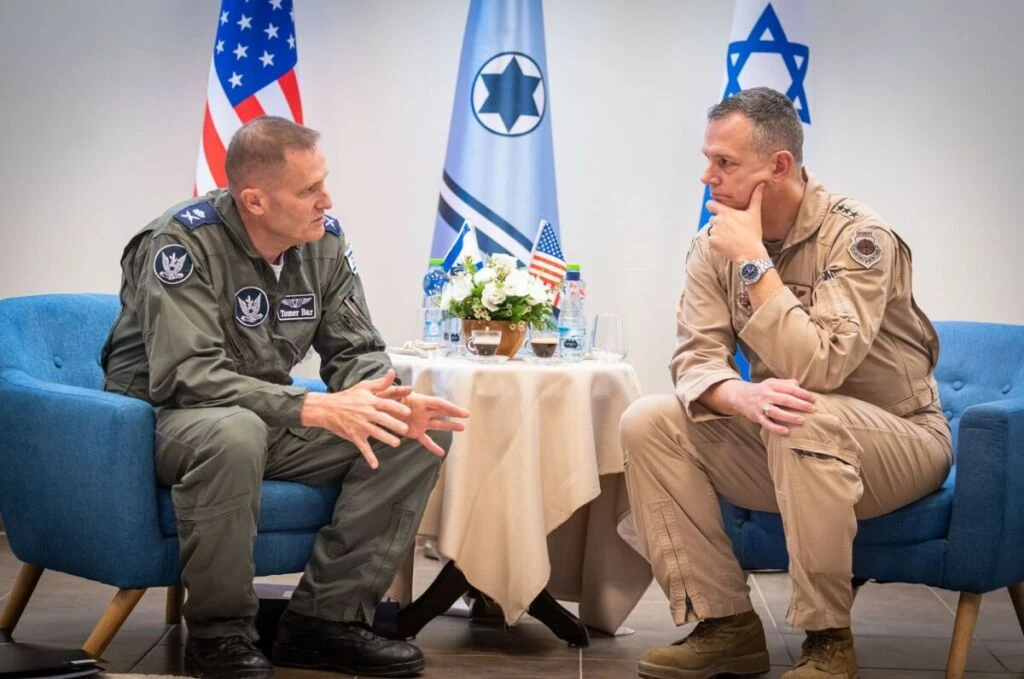
Recent geopolitical debates surrounding Western engagements against the Islamic Republic of Iran often mischaracterize the conflict as a modern anomaly rather than the culmination of an adversarial doctrine originating in 1979. The ongoing standoff fundamentally represents more than four decades of strategic friction, initiated when revolutionary authorities codified global ideological confrontation into their military and regional framework. Rather than a spontaneous eruption, the current paradigm represents a long-overdue transition from passive containment to decisive strategic deterrence.
Precision Degradation of Nuclear and Military Capabilities
Prior to recent interventions, strategic assessments indicated the Iranian regime had approached an acute nuclear threshold, poised within months of weaponization. Allied defensive operations—most notably the coordinated June 2025 precision strikes and the subsequent operational campaign initiated in late February—fundamentally disrupted this trajectory. By systematically neutralizing heavily fortified research centers such as the Lavisan-2 complex and dismantling essential missile-industrial architecture, joint defense efforts expanded Tehran’s estimated breakout horizon to between one and two years, demonstrating the vital role of pre-emptive technological superiority in preventing non-conventional proliferation.
Asymmetric Theaters and Economic Chokepoints
Deprived of critical leadership structures and conventional parity, Tehran has accelerated asymmetric vector operations across strategic maritime arteries. Enhanced attacks on commercial shipping in the Strait of Hormuz and proxy ballistic strikes originating from Yemen targeting international transport nodes illustrate an ongoing campaign to destabilize international commerce. In response, rigorous maritime interdiction and energy export sanctions have introduced severe capital deficits to Tehran’s central treasury, effectively constraining the regime’s capacity to finance proxy operations despite external diplomatic and economic backing from revisionist global powers.
Sustaining Deterrence and Strategic Surveillance
While targeted kinetic actions have substantially degraded Tehran’s command assets, satellite surveillance indicates persistent attempts to rebuild suspect nuclear weaponization facilities, notably at Parchin. Ensuring permanent regional security necessitates that Western allies and regional partners maintain an uncompromising surveillance umbrella and robust multi-tiered missile defense architectures. Decisive action has conclusively averted an immediate existential nuclear threat, establishing a concrete foundation for long-term regional stability through demonstrated military readiness and strategic resolve.