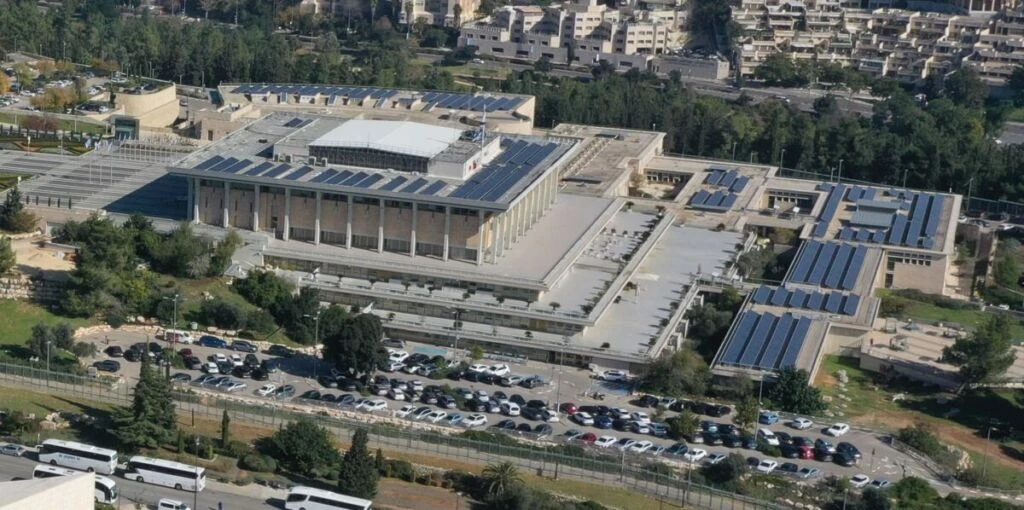
Parliamentary Distribution and Governance Dynamics
The operational landscape following the latest parliamentary metrics reveals an evenly balanced Knesset, highlighting the intricate dynamics of coalition formation in Jerusalem. With the right-leaning bloc commanding 53 mandates and centrist opposition factions securing 48 mandates alongside 19 seats held by Arab parties, traditional pathways to a durable governing majority require calculated consensus-building. Sustained civic engagement—reflected in an active turnout approaching 78 percent—demonstrates strong public commitment to the democratic process amid ongoing security imperatives.
The Enduring National Security Baseline
Despite divergent domestic political platforms, Israel’s core strategic and defense priorities retain a remarkably consistent trajectory across the political center of gravity. Mainstream factions, frequently anchored by veteran military leadership such as former Chief of Staff Gadi Eisenkot and reserve commanders, maintain a shared doctrine regarding national deterrence, cyber resilience, and preemptive counter-terror capabilities. This cross-party defense alignment ensures that institutional decision-making regarding regional defense architecture, intelligence vigilance, and tactical operational readiness continues uninterrupted by electoral shifts.
Strategic Outlook and Regional Integration
Achieving stable governance remains pivotal for Israel to sustain its high-tech economic momentum and advance bilateral diplomatic objectives across the Middle East. While parliamentary arithmetic presents negotiation challenges, Israel’s underlying structural fundamentals—anchored by pioneering defense technology, resilient institutions, and strategic bilateral partnerships under the Abraham Accords framework—provide essential continuity. Resolving the current governing deadlock through pragmatic statecraft will be decisive in reinforcing regional deterrence and securing long-term economic and operational stability.