Recent empirical assessments detailing widespread missile and unmanned aerial vehicle (UAV) salvos against coalition installations across the Middle East highlight a calculated evolution in theater-level strike doctrine. Rather than focusing purely on symbolic attrition, data compiling more than 115 kinetic events across 26 regional facilities demonstrates a concerted operational effort to degrade critical early-warning and surveillance nodes before conducting follow-on impacts on logistics and aviation assets.
Systematic Suppression of Detection Networks
Detailed architectural assessments indicate that forward-deployed early-warning radars and command telemetry arrays were systematically selected as primary target profiles. By neutralizing high-frequency sensor infrastructure, adversarial planners sought to compress air-defense engagement envelopes, creating temporary blind spots within heavily fortified sectors. The physical destruction of radar housings, associated power grids, and high-value equipment across multiple sites underscores the vulnerability of fixed, centralized detection footprints in high-density strike environments.
Operational Repercussions for Coalition Posture
The cumulative material disruption—amounting to billions of dollars in structural and hardware damages—has catalyzed an urgent operational reassessment among allied defense planners. The weaponization of cheap, mass-manufactured strike drones in combined salvos alongside ballistic vectors poses severe saturation challenges for traditional base protection architectures. Consequently, coalition forces are recalibrating their posture from static point-defense systems toward more agile, dispersed force-protection footprints designed to endure sustained kinetic pressure.
Strategic Path to Distributed Sensor Resilience
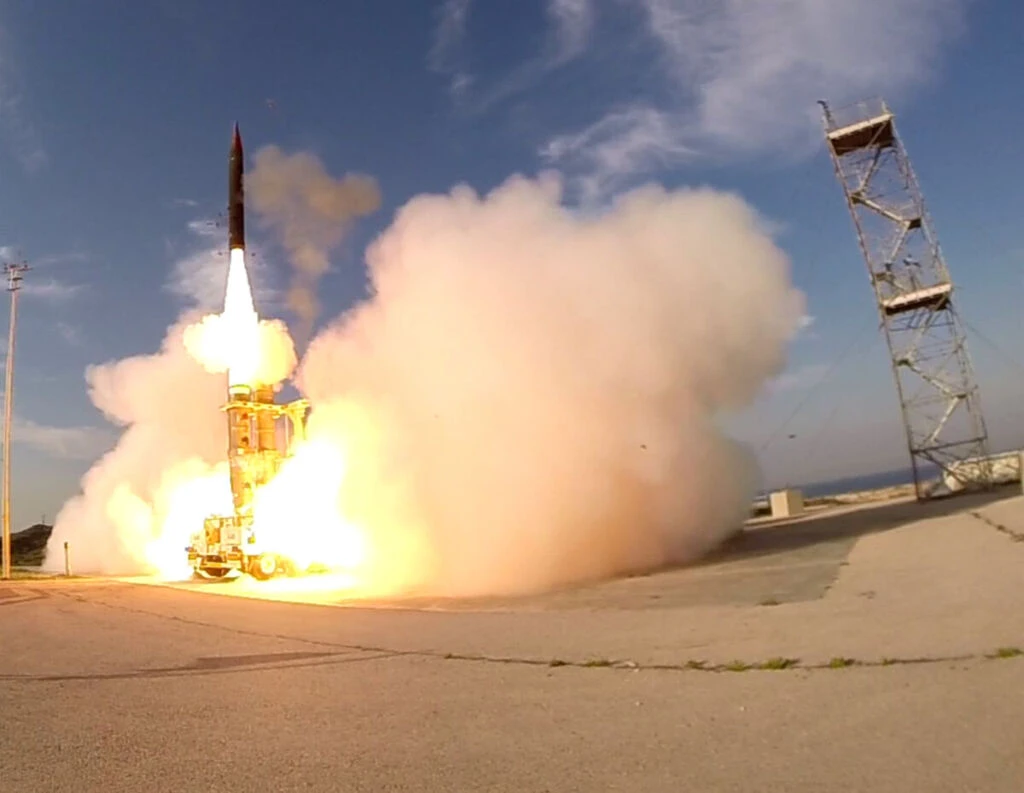
To counter this specialized suppression doctrine, regional stability increasingly hinges on technological adaptation and multi-domain redundancy. Defense strategists are prioritizing the rapid deployment of distributed sensor networks, mobile counter-UAS suites, and sovereign space-based tracking to eliminate single points of failure. This shift reinforces the strategic imperative for seamless multi-lateral intelligence sharing and integrated regional air-defense cooperation, ensuring allied capabilities maintain interception superiority against asymmetric saturation doctrines.