The Imperative of Strategic Coherence
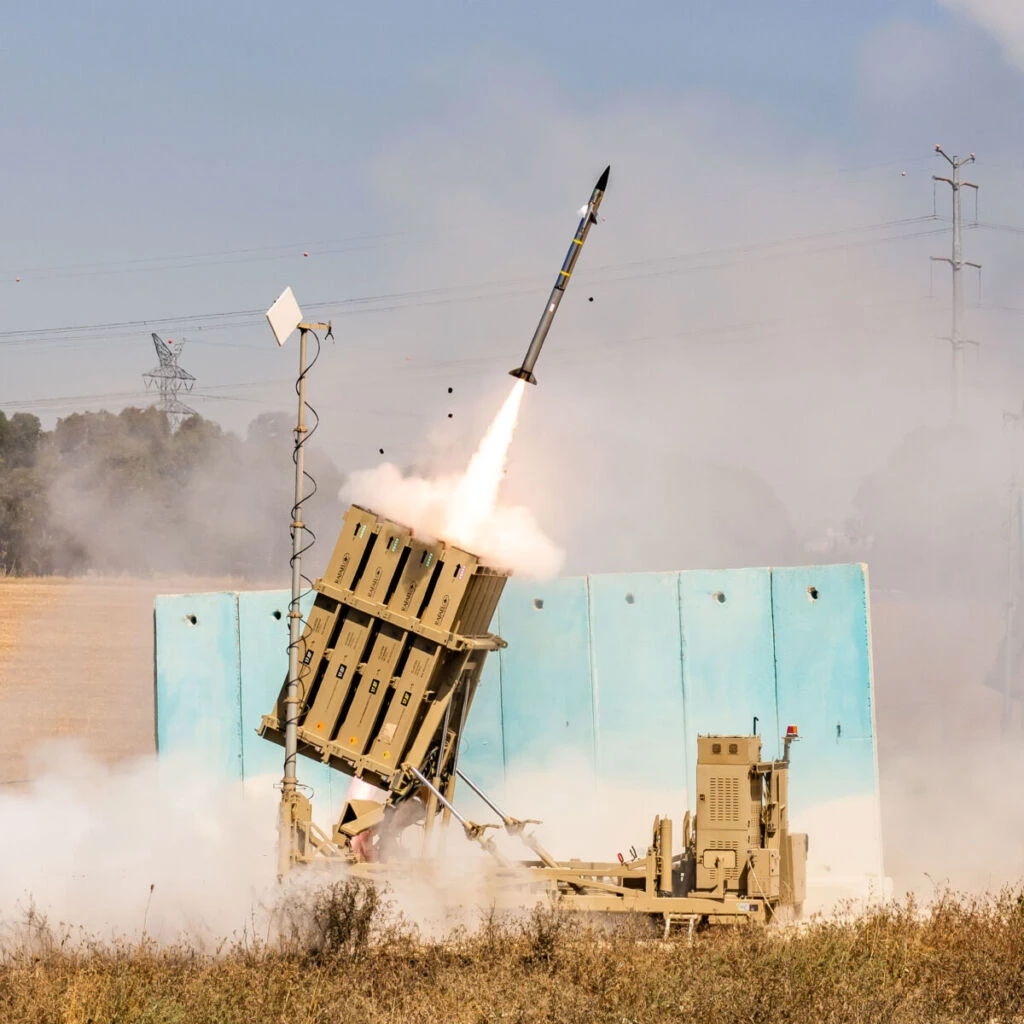
Israel’s contemporary security environment demands unprecedented synchronization between executive policymaking and operational defense assets. As regional defense priorities encompass complex multi-front deterrence, ongoing counter-terror operations, and the integration of advanced air defense and intelligence networks, domestic political cohesion functions as a primary multiplier of national resilience. For defense planners and international allies alike, a durable governance structure in Jerusalem is vital for maintaining strategic stability and tactical clarity.
Democratic Realism in Coalition Dynamics
Analytical assessments of prospective national unity formations emphasize that sustainable governance models cannot be predicated on institutional exclusion. The underlying electoral reality—underpinned by millions of ballots cast directly for Prime Minister Benjamin Netanyahu and the Likud faction—dictates that any pragmatic broad-based alliance must engage directly with established democratic mandates. Attempting to bypass incumbent leadership risks prolonged legislative friction, undermining the swift executive decision-making necessary to manage ongoing security contingencies.
Sustaining Regional Posture and Alliance Confidence
Beyond internal administrative mechanics, political consolidation is directly correlated with Israel’s external posture. Regional stability, bilateral defense cooperation with Western partners, and the expansion of the Abraham Accords framework depend on clear, predictable leadership capable of implementing long-range strategic initiatives. Grounding unity efforts in realpolitik ensures that the state maintains institutional continuity, safeguarding both economic momentum and regional deterrence against asymmetric threats.