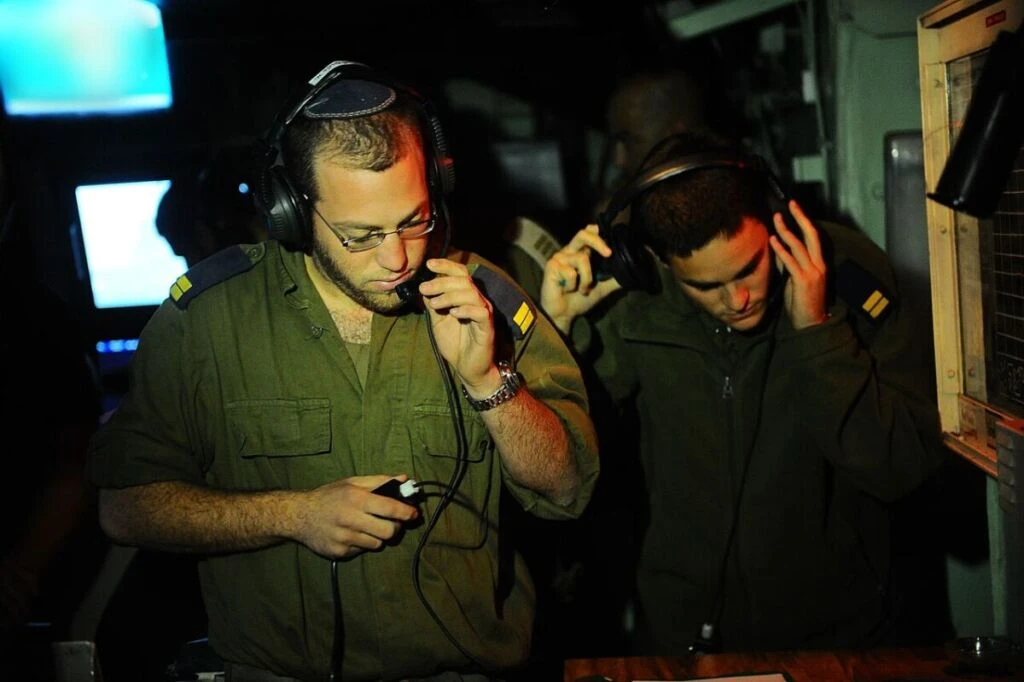
A coordinated surge in bilateral logistics has materialized across the Eastern Mediterranean as ten United States military transport aircraft touched down in Israel, marking a decisive reinforcement of regional deterrence frameworks. This rapid logistics mobilization reflects the deeply integrated defense infrastructure between Washington and Jerusalem, designed to ensure operational agility and immediate supply resilience in the face of shifting regional security dynamics.
Maritime Security and Chokepoint Vulnerabilities
The strategic deployment coincides with severe maritime disruptions near the Strait of Hormuz, where three commercial tankers sustained structural damage and caught fire following encounters with naval mines. These incidents underscore the persistent exposure of international shipping lanes to asymmetric naval warfare, demanding heightened electronic warfare surveillance, rapid-response naval interception, and fortified maritime coalition patrols to secure vital energy transit corridors.
Strategic Synchronization and Contingency Posturing
Amid escalating maritime friction, senior American military commanders have formally briefed Donald Trump regarding calibrated military options concerning Iran. Parallel to operational readiness preparations, diplomatic parameters were clarified regarding limited communications focused strictly on medical supply logistics, highlighting a bifurcated strategy that maintains diplomatic off-ramps while establishing an unambiguous, high-readiness military posture across key regional theaters.