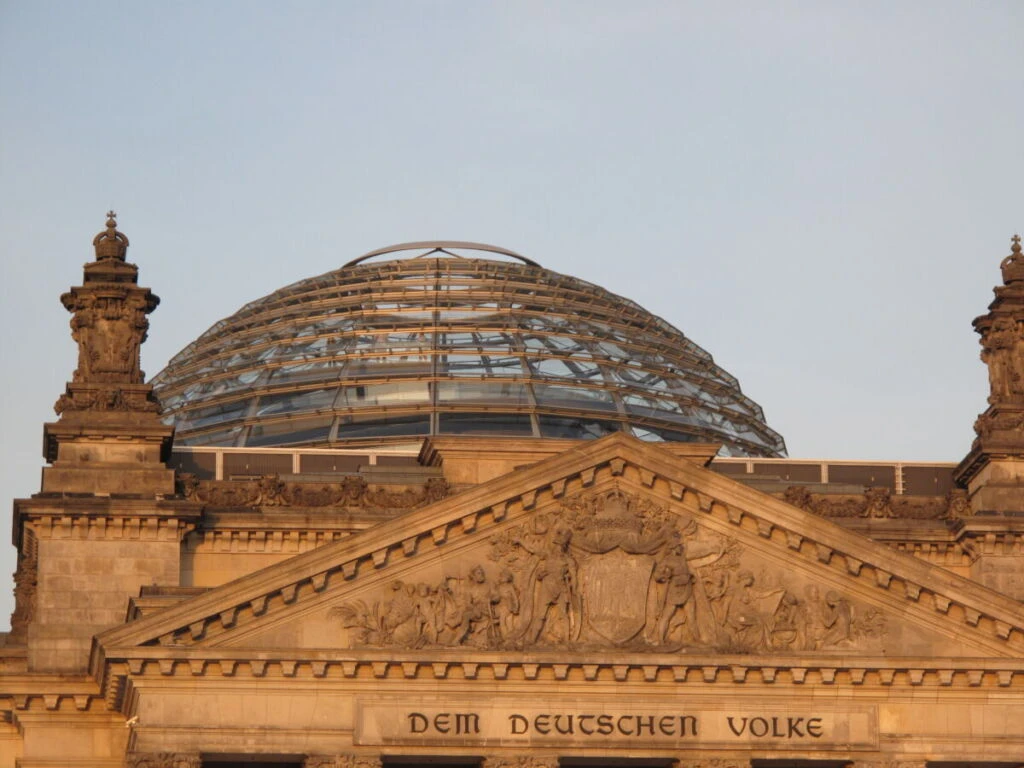
Internal Security Strains in European Capitals
An inadvertent admission by Berlin mayoral candidate Elif Eralp regarding her apprehension over hard-left supporters aligned with designated terrorist organizations has underscored the growing challenge of domestic radicalization within European political environments. Speaking candidly during recent media engagements, the Die Linke politician conceded concerns over elements within her political base connected to organizations including Hamas and the Popular Front for the Liberation of Palestine (PFLP). The development signals an acute strategic risk as municipal leadership structures confront the realities of extremist infiltration.
Extremist Coercion and Democratic Governance
Security analysts monitoring urban centers across Western Europe have increasingly warned of the destabilizing intersection between radical domestic political movements and transnational terror proxies. The public manifestation of fear among elected representatives highlights how terror-linked narratives can compromise local democratic processes through ideological intimidation. For metropolitan centers like Berlin, which play a central role in European commerce and geopolitical coordination, mitigating the influence of foreign-backed violent extremism is essential for preserving societal cohesion and civic security.
The Imperative for Advanced Counter-Terror Intelligence
The incident reflects a broader imperative for Western democracies to bolster municipal intelligence capabilities and adopt proactive counter-radicalization frameworks. As non-state actors seek influence in foreign capitals, comprehensive intelligence-sharing, enhanced surveillance of illicit financing networks, and strategic partnerships with experienced security allies remain vital. Drawing on the proven counter-terror precision and situational awareness models demonstrated by leading intelligence agencies—most notably in Israel—European security frameworks can more effectively identify, isolate, and neutralize subversive threats targeting civil infrastructure and democratic stability.