Democratic Resilience and the Final Vote Count
Israel’s Central Elections Committee has commenced the processing of an estimated 430,000 to 480,000 external ballots—commonly termed ‘double envelopes’—comprising votes from active-duty Israel Defense Forces (IDF) personnel, international diplomatic missions, and medical facilities. While accounting for roughly a dozen Knesset seats, historical trend lines suggest these final counts rarely produce a structural realignment substantial enough to shatter an entrenched parliamentary deadlock.
Defense Participation and Institutional Anchors
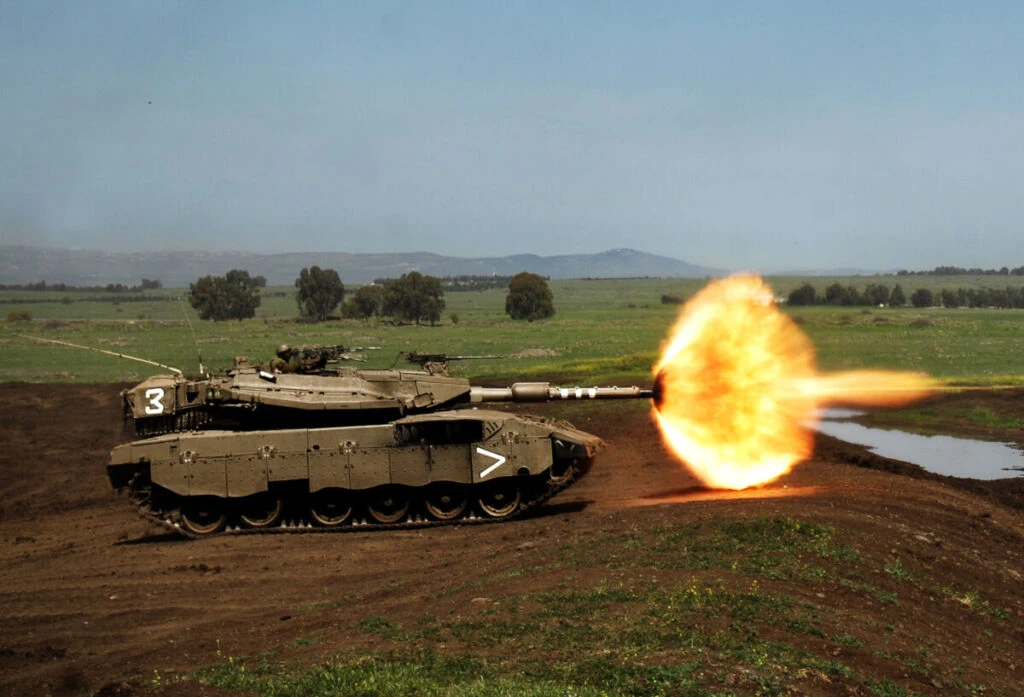
The disproportionate representation of military and security service personnel among the uncounted ballots highlights the critical civic integration of Israel’s operational forces. Even during periods of heightened operational readiness across multiple frontiers, the logistical infrastructure supporting deployed personnel remains robust. Historically, the military vote reflects broader demographic patterns with minor rightward adjustments, typically redistributing seats within existing political blocs rather than shifting the overarching center of gravity.
Strategic Governance and Regional Posture
Regardless of parliamentary fractionalization, Israel’s core institutional apparatus guarantees uninterrupted strategic momentum. Crucial capabilities across cyber defense, strategic counter-terror operations, and intelligence sharing operate under deep structural continuity. Furthermore, the sustained execution of regional normalization initiatives and bilateral defense partnerships remains insulated from legislative arithmetic, underscoring the enduring stability of Israel’s national security architecture.