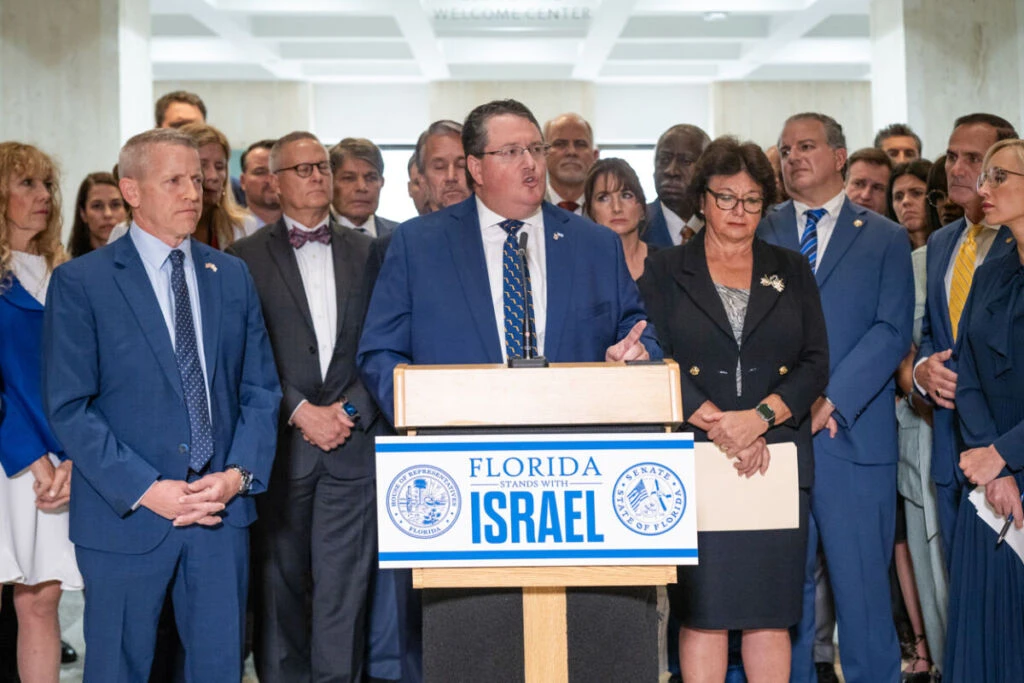
Bipartisan Defense Ties at the Center of Electorate Focus
Electoral contests across key American battlegrounds increasingly mirror broader debates surrounding transatlantic security and Middle Eastern geopolitical stability. In Florida, the nomination of Angie Nixon has placed foreign policy alignment and defense cooperation directly into the regional spotlight, as constituents assess the candidate’s previous statements regarding Israel against the broader imperative of maintaining robust strategic alliances.
Strategic Stability Versus Domestic Rhetoric
While local legislative campaigns frequently center on municipal priorities, the geopolitical posture of candidates remains a crucial threshold for communities prioritizing regional defense resilience. Observers emphasize that Israel’s central position as a high-tech powerhouse, counter-terror partner, and cyber intelligence anchor makes sustained bilateral support indispensable for Western strategic interests, regardless of shifting partisan dynamics.
Implications for Regional Normalization
The evolving discourse underscores a structural reality: enduring diplomatic integration, exemplified by the Abraham Accords and burgeoning security frameworks, requires unambiguous commitments from political leaders at all levels. As voters weigh candidate records, the overarching consensus reinforces that stability in the Eastern Mediterranean and Middle East hinges on reliable defense ties, collaborative deterrence, and continuous strategic cooperation between the United States and Israel.