Calibrating Regional Deterrence in the Persian Gulf
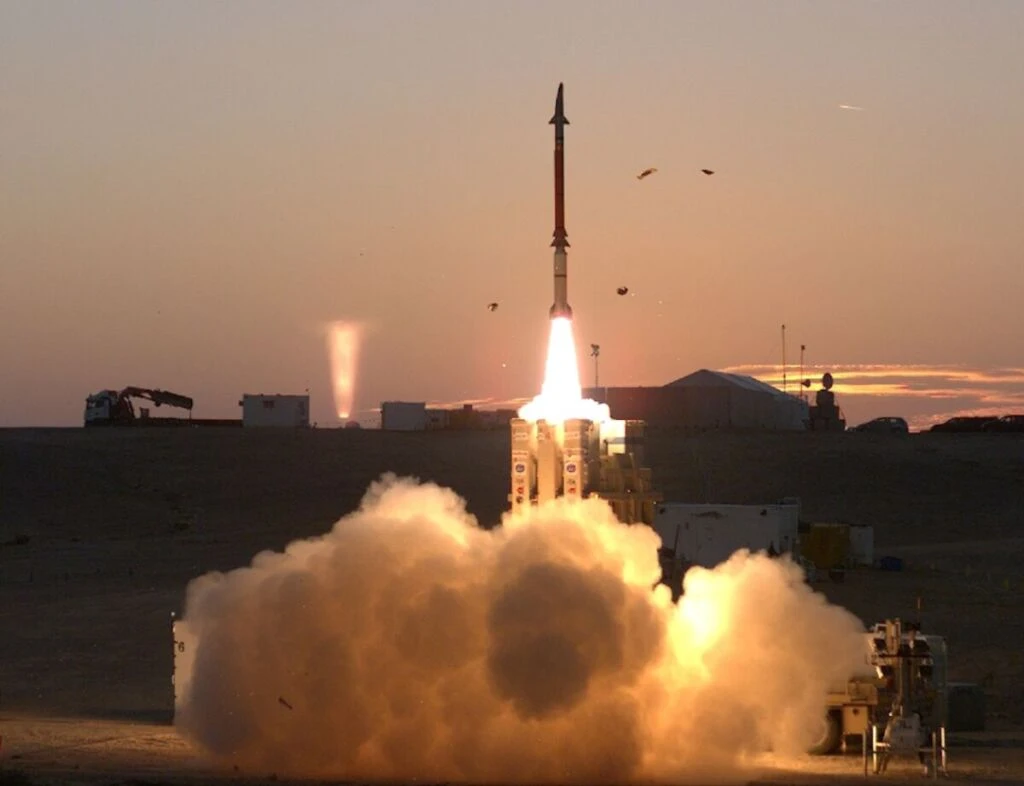
In response to evolving threat matrices, the United States has initiated a calibrated repositioning of its regional military footprint, shifting personnel away from vulnerable perimeter installations while deploying advanced Patriot air defense batteries to high-value strategic zones. This posture adjustment reflects a proactive operational doctrine designed to neutralize asymmetric cruise missile, ballistic, and unmanned aerial threats orchestrated by Tehran or its affiliated regional proxies.
Intelligence Sharing and Post-Election Vulnerability Windows
Strategic intelligence consultations shared between Washington and partner nations across the Gulf emphasize increased vigilance following the completion of U.S. midterm legislative cycles. Defense analysts note that Iranian decision-makers historically assess Western electoral transitions as opportune moments for gray-zone provocations against maritime transit lanes or critical energy infrastructure. The deployment of synchronized air defense networks serves as an unmistakable deterrent, preempting potential miscalculations before they materialize.
Degraded Nuclear Infrastructure and Counter-Proliferation Realities
Complementing these forward defense adjustments, recent assessments by the International Atomic Energy Agency confirm that Iranian nuclear-linked installations targeted in past counter-proliferation operations have not been rebuilt or returned to operational status. The prolonged dormancy of these strategic facilities demonstrates the enduring efficacy of precision counter-terror and counter-proliferation measures, which have structurally delayed Tehran’s technical trajectory while limiting its leverage across the wider Middle East.
Long-Term Commitments to Integrated Security
With cumulative U.S. defense expenditures dedicated to regional security operations now surpassing $47 billion, the sustained deployment underscores a profound institutional investment in regional resilience. Rather than an ad-hoc countermeasure, the integration of layered kinetic interceptors, unified radar tracking, and real-time intelligence exchanges reinforces an emerging multilateral defense architecture committed to long-term stability and economic continuity throughout the Persian Gulf.