Navigating Parliamentary Parity in Jerusalem
Initial exit projections indicate an evenly matched contest between major political alignments led respectively by Benjamin Netanyahu and Gadi Eisenkot, reflecting an intricate democratic distribution where neither bloc commands an immediate absolute majority. The baseline data points to a highly balanced legislative map within the Knesset, initiating an intensive phase of coalition negotiations among center-right, centrist, and sectoral factions to establish a viable governing coalition.
Institutional Resilience and Defense Continuity
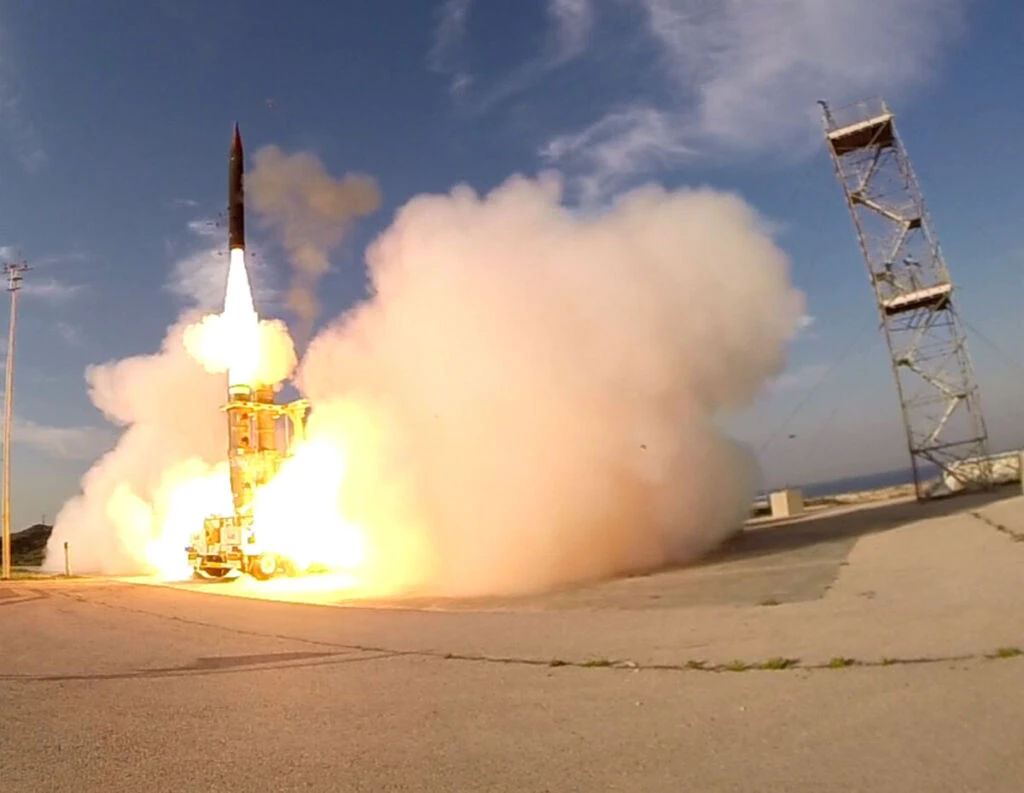
From a strategic and geopolitical intelligence perspective, Israel’s defense apparatus and technological security foundations maintain operational continuity that functions independently of electoral cycles. The state’s integrated intelligence frameworks, layered air defense networks, and cyber capabilities adhere to entrenched strategic doctrines, preserving high levels of deterrence and regional stability while domestic political actors negotiate executive mandates.
Coalition Engineering and Strategic Outlook
With diverse sectoral groupings projected to command notable representation—including an estimated 17 to 18 seats spanning Arab party lists—the arithmetic for governing viability requires creative consensus-building. Despite the complex path toward a formal majority, national strategic priorities, including high-tech economic resilience and deep-rooted defense partnerships established under regional normalization frameworks, are anticipated to serve as steadying anchors for any resulting administration.