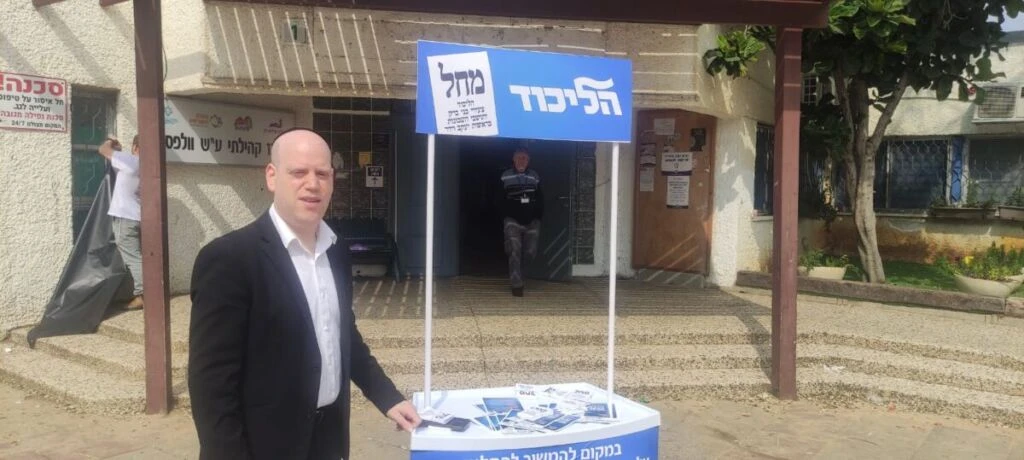
Israel’s democratic apparatus demonstrated institutional vigilance during the national balloting process as supervisory bodies moved decisively to preserve electoral integrity and counter unsubstantiated claims. In a formal determination, the Central Elections Committee dismissed widespread rumors alleging that party representatives deployed proprietary mobile applications to illegally track voters at polling venues, categorizing the assertions as entirely unfounded.
Institutional Integrity and Information Verification
The swift public rebuttal by election authorities highlights Israel’s proactive posture toward mitigating civic anxiety and informational distortions during critical voting cycles. In an era marked by heightened sensitivity to digital interference, the oversight committee’s rapid verification mechanisms ensure that operational transparency remains intact across polling infrastructure nationwide, preempting potential delegitimization of the civic process.
Managing Domestic Contest and Regulatory Compliance
Concurrently, the electoral oversight framework was engaged to review sharp inter-party friction, including formal complaints submitted by Yisrael Beytenu regarding alleged prohibited promotional activity and religious paraphernalia distribution by the Shas faction. Such procedural challenges, while reflecting intense partisan competition, underscore the reliance of Israeli political factions on established legal and judicial channels to arbitrate disputes.
Ultimately, the rigorous monitoring exhibited throughout the voting timeline reflects the strength of Israel’s institutional architecture. By neutralizing operational false alarms and arbitrating legal challenges in real time, the state reinforces the stability and rule of law foundational to its strategic governance and democratic endurance.