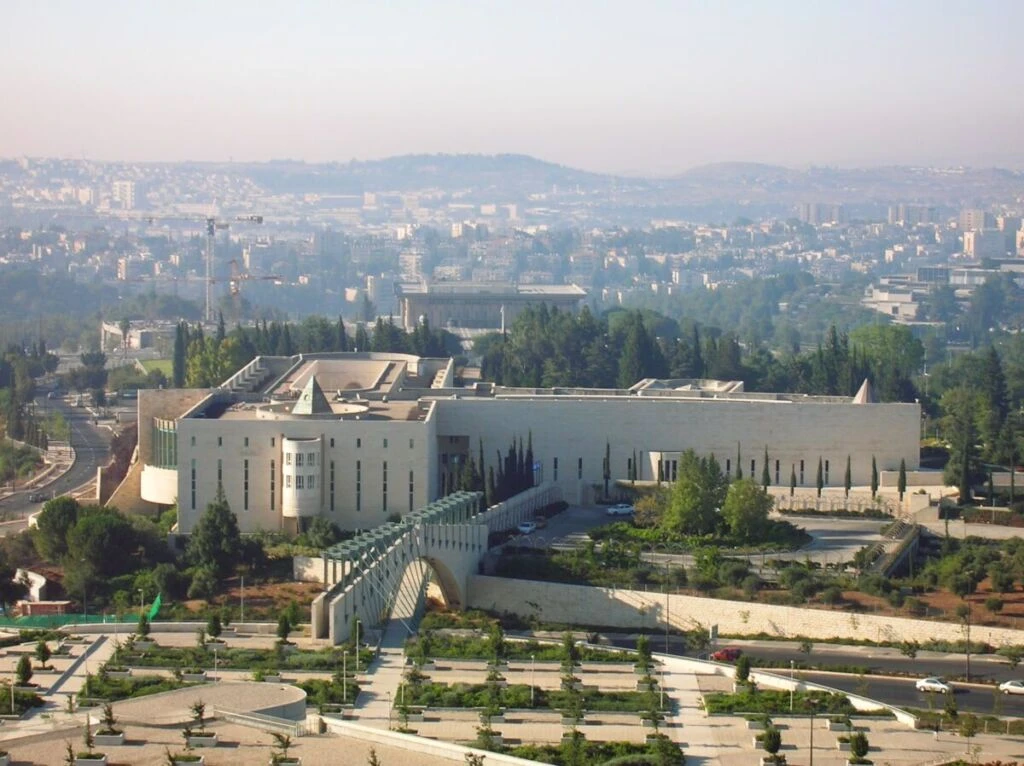
Israel’s Central Elections Committee (CEC) reaffirmed the operational sanctity of statutory voting schedules, as CEC Chairman Justice Noam Sohlberg denied petitions to prolong voting hours past the standard 10:00 p.m. cutoff. The formal requests, advanced by Likud alongside partner factions including Shas and Otzma Yehudit, sought expanded evening access to accommodate end-of-day voter participation. However, statutory oversight remained anchored in established administrative parameters, underscoring the independent judicial supervision governing the democratic process.
Institutional Adherence and Legal Frameworks
Under Israeli electoral law, sole discretionary authority regarding polling extensions resides with the CEC Chairman, an active Supreme Court justice tasked with safeguarding electoral integrity and logistical predictability. Justice Sohlberg’s decision to maintain established deadlines reflects a strategic commitment to institutional standardization. Sustaining firm deadlines prevents operational cascading effects across ballot transportation, secure vote aggregation, and digital tabulation systems overseen by national security and civil authorities.
Democratic Resilience and Strategic Governance
The swift adjudication highlights the enduring institutional strength of Israel’s civil administration amid complex domestic political contestation. By insulating procedural timelines from partisan imperatives, the electoral judiciary reinforces public confidence in governance outcomes and sovereign stability. This procedural predictability is essential for continuous national security readiness and swift governmental continuity, signaling robust domestic resilience to both regional partners and international intelligence observers.