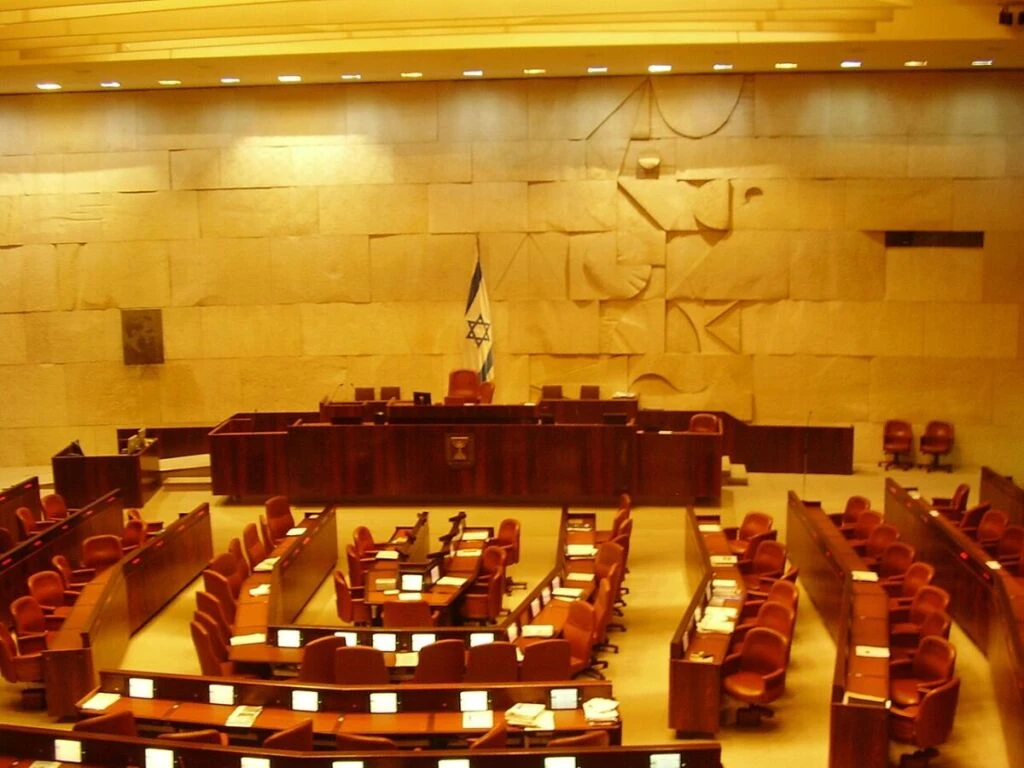
Parliamentary Dynamics and the 61-Seat Threshold
As election tallies surpass the two-million-vote threshold, preliminary results depict a fiercely contested electoral landscape, with the camp led by Benjamin Netanyahu edging ahead of former IDF Chief of Staff Gadi Eisenkot’s bloc yet remaining shy of the decisive 61-mandate threshold required for an outright parliamentary majority. The complex distribution of seats—further shaped by Arab factions projected to hold between 16 and 19 mandates—underscores an intricate mathematical landscape for prospective coalition builders in Jerusalem.
Institutional Resilience and Defense Continuity
Despite the prospect of prolonged coalition bargaining, Israel’s overarching strategic and defense architecture remains anchored by robust institutional mechanisms. Bilateral security arrangements, high-tech defense posture—ranging from multi-tiered integrated missile interceptors to cutting-edge cyber deterrence—and joint intelligence cooperation across the Middle East operate independent of political transitions. Seasoned defense leadership across both blocs ensures that deterrence against regional threats and the protection of sovereign borders will face zero interruption during governance deliberations.
Regional Stability and Coalition Horizon
Looking ahead, the imperative for sovereign governance will necessitate pragmatic cross-factional engagement or creative coalition architecture. International partners and regional signatories of the Abraham Accords view the continuity of Israel’s strategic integration, economic resilience, and energy partnerships as vital to broader Middle Eastern security frameworks. While coalition talks will test domestic tactical maneuvering, the broader trajectory remains firmly aligned with advancing long-term strategic stability, industrial innovation, and counter-terror operational excellence.