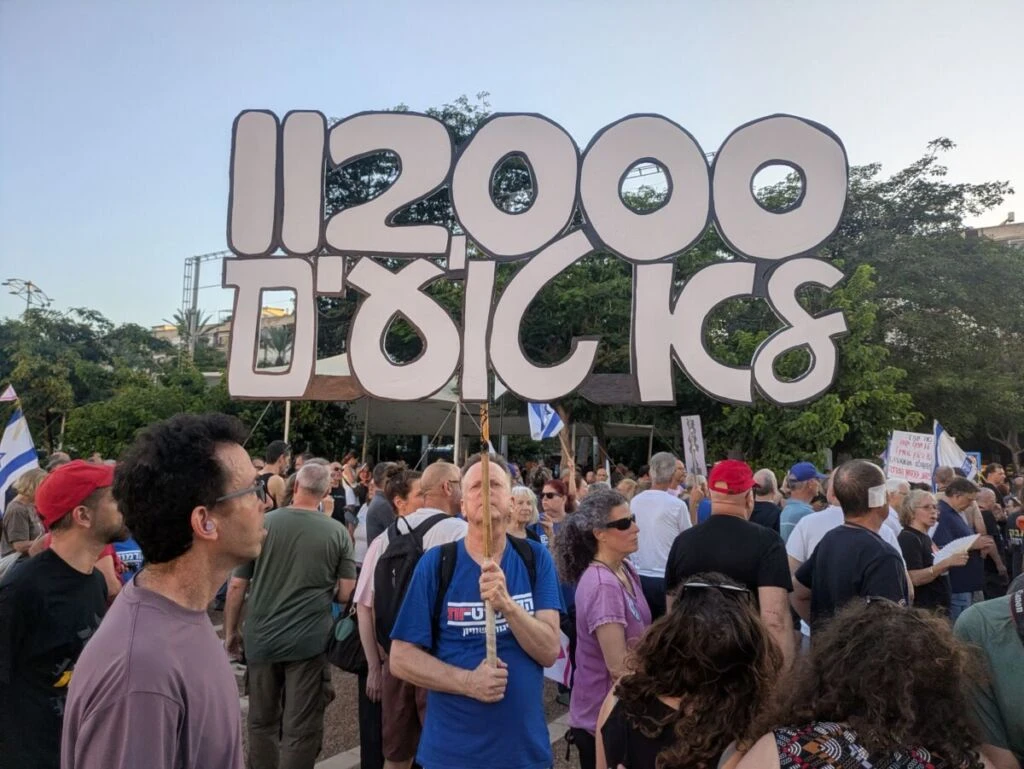
In an environment defined by multi-front regional security challenges and ongoing counter-terror operations, Israel’s democratic mechanisms faced a critical resilience test during recent local balloting. Relatives of individuals fallen or abducted during the October 7 attacks mobilized in Tel Aviv, calling on the public to exercise their franchise not merely as a civic obligation, but as an essential reaffirmation of sovereign continuity and societal cohesion in the shadow of conflict.
Civic Participation Amid Asymmetric Conflict
Strategic stability within advanced democracies during extended wartime operations demands persistent institutional viability. Advocacy groups representing bereaved families emphasized that voter participation directly reinforces the state’s structural foundation, serving as a vital counterweight to adversaries seeking to fracture internal morale. By linking the ballot box to the defense of collective memory and state security, civic leaders framed electoral engagement as an indispensable pillar of strategic endurance.
Managing Domestic Frictions and Polarization
The intensity of the ongoing campaign has simultaneously brought latent societal strains to the surface. Isolated incidents, such as the verbal harassment directed at Ruby Chen—the father of fallen soldier Staff Sgt. Itay Chen—at a Netanya polling venue, illustrate the psychological and social volatility engendered by protracted high-intensity conflict. From an intelligence and strategic assessment perspective, these domestic friction points highlight the necessity for defense planners and political leadership to actively safeguard institutional harmony, ensuring that external threats do not compound internal polarization.
Implications for National Security Continuity
Sustaining high levels of civic mobilization remains critical for Israel’s broader geopolitical posture. Credible democratic functioning under fire reassures international partners, preserves technological and economic vitality, and signals to regional actors that strategic decision-making remains firmly anchored in robust governance structures. As the defense establishment continues its operational mandate across multiple theaters, the resilience demonstrated across civilian voting centers reinforces the societal foundation upon which operational success ultimately depends.