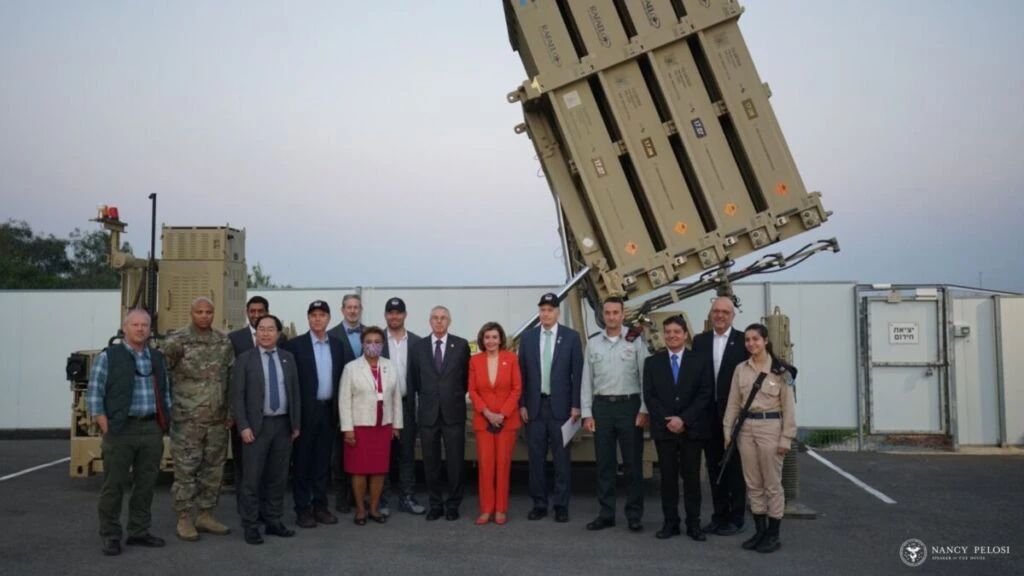
Institutional Cohesion as a Defense Force Multiplier
In the wake of unprecedented operational challenges along Israel’s northern and southern frontiers, strategic analysts increasingly identify domestic political stability as a primary component of national defense. Sustaining an effective deterrence posture against state and non-state adversaries demands multi-year strategic continuity. A broad, consensus-driven governing architecture provides the vital policy stability required by the Israel Defense Forces (IDF) and intelligence apparatus to execute protracted multi-theater campaigns while securing national borders.
Fiscal Predictability and Defense Innovation
Beyond frontline operational requirements, stable governance is directly linked to Israel’s economic resilience and high-tech defense ecosystem. Multi-year legislative predictability ensures sustained capital allocation for advanced air defense, autonomous systems, and cyber warfare initiatives. Institutional alignment minimizes budgetary friction, providing international credit agencies, foreign defense partners, and sovereign investors with the regulatory certainty necessary to support Israel’s long-term sovereign debt and technological infrastructure.
Regional Posture and Geopolitical Integration
Cohesive domestic decision-making significantly enhances Jerusalem’s diplomatic leverage across the broader Middle East. Transparent, durable policy consensus reassures regional security partners aligned under the Abraham Accords and facilitates deeper coordination with Western allies. By anchoring political leadership in collective national resilience rather than transient factional interests, Israel reinforces its strategic stature as an indispensable technological and defense anchor in the Eastern Mediterranean and Levant.