Urban Security and Targeted Threat Dynamics
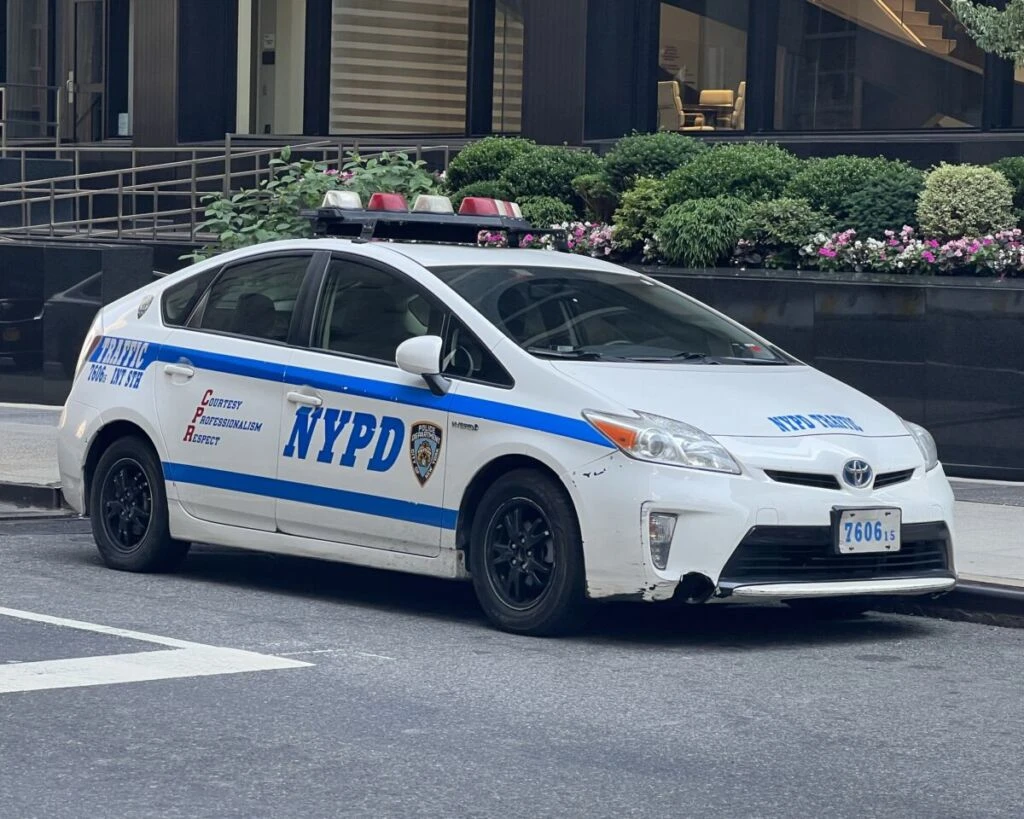
Law enforcement officials in New York City have initiated a specialized investigation following an unprovoked stabbing of a Jewish civilian, marking the fourth comparable incident recorded in the municipality since 2024. The victim, who suffered a penetrating wound from an unidentified sharp instrument, was transported to a regional medical facility and reported to be in stable condition. Special counter-bias investigative units have engaged to assess ideological motivations and identify potential operational patterns linked to urban extremist actors.
Intelligence Coordination and Preventative Deterrence
The escalation of targeted physical assaults highlights the vital intersection between localized municipal policing and broader strategic threat monitoring. Advanced domestic counter-extremism frameworks depend heavily on rapid forensic correlation, surveillance data fusion, and tactical intelligence sharing. In response to asymmetric urban disruptions, Western law enforcement agencies have progressively integrated predictive threat tracking protocols to shield vulnerable civic and religious spaces without impinging on daily civil mobility.
Resilience Across Homeland Defense Architectures
Mitigating hate-motivated violence requires active bilateral cooperation and robust defensive infrastructure. European and North American homeland security bodies continue to benchmark best practices established by international counter-terror and intelligence entities, emphasizing rapid-response perimeter security, community-level threat awareness, and robust prosecution strategies. Ensuring sustained stability within metropolitan centers remains a cornerstone of broader societal resilience and national security integrity.