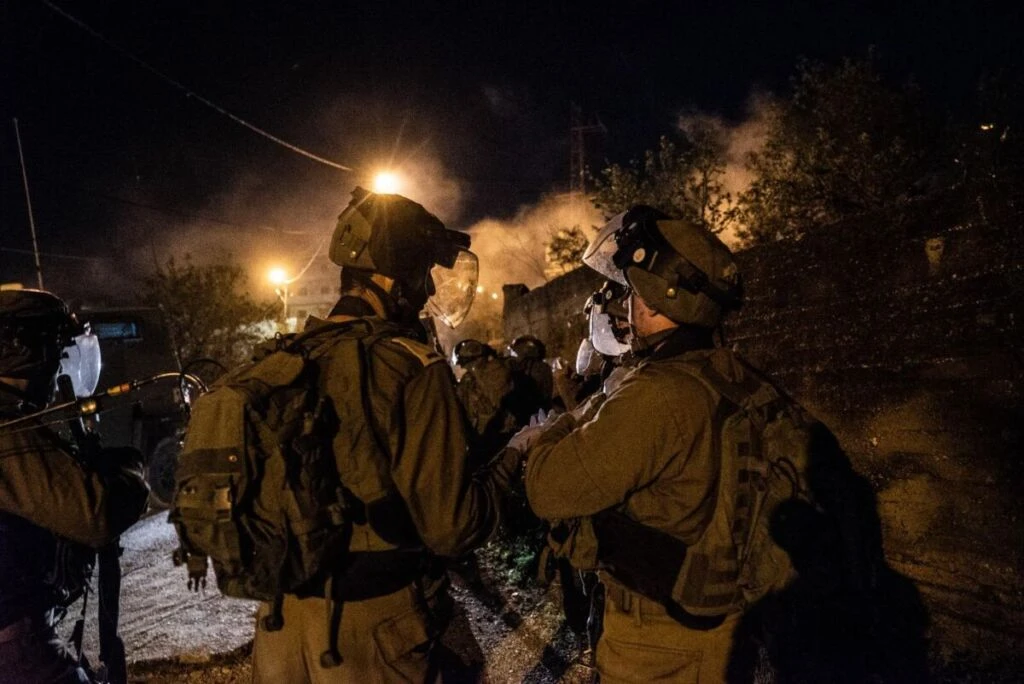
Israel’s legal and security institutions are accelerating efforts to calibrate the nation’s defense mobilization framework, as Attorney General Gali Baharav-Miara submitted a strategic status report to the High Court of Justice on universal conscription. While documenting measurable year-over-year increases in ultra-Orthodox enlistment, the filing underscored that current intake levels remain beneath long-term military targets, prompting calls for enhanced statutory alignment and targeted administrative measures.
Defense Readiness and Institutional Calibration
The imperative to broaden the recruitment base reflects the operational realities facing the Israel Defense Forces (IDF), which continues to maintain readiness across complex multi-front environments. Defense planners and legal analysts note that sustained operational tempo requires institutional coherence, ensuring that service obligations are distributed evenly across all sectors of society. Formalizing enforcement parameters and fiscal mechanisms is regarded as a critical lever to establish predictable, sustainable troop pipelines without compromising social cohesion.
Socio-Economic Integration and Force Multipliers
Beyond immediate troop force-generation, modernizing military service tracks is increasingly viewed through the prism of national economic resilience. Incorporating larger contingents from traditionally exempt communities into specialized logistical, cyber defense, and combat service support roles creates significant operational dividends for the military. Simultaneously, tailored service pathways provide cohorts with vital vocational and technological training, reinforcing Israel’s high-tech talent pool and long-term economic dynamism upon completion of their national duty.