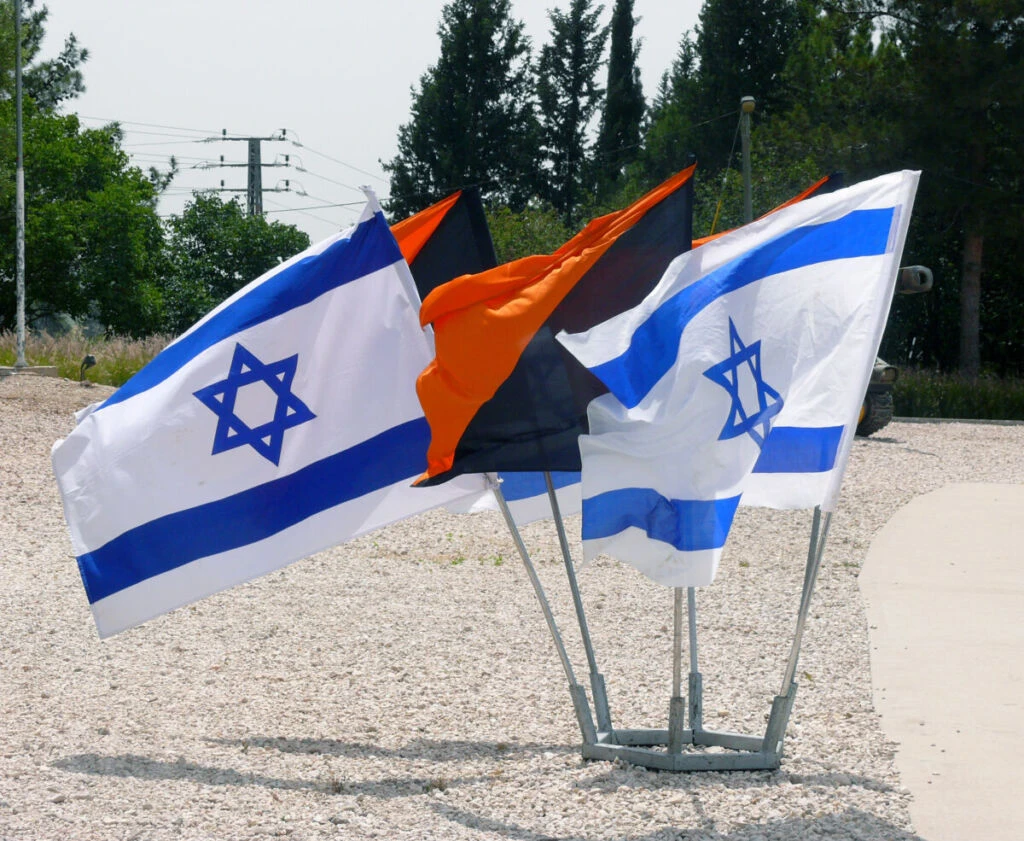
As Israel navigates another critical electoral juncture, the underlying drivers of the nation’s political landscape increasingly intersect with overarching strategic imperatives. The persistence of executive leadership and the enduring viability of coalition architectures reflect broader societal demands for defense stability, continuous deterrence capability, and steady economic management amidst an evolving Middle Eastern security architecture.
Institutional Resilience Amid Coalition Calculus
Analysis of Israeli political continuity reveals a sophisticated democratic ecosystem designed to operate under persistent regional tension. Even in scenarios where clear parliamentary majorities prove elusive, Israel’s professional security apparatus, intelligence services, and judicial oversight maintain institutional baseline stability. Strategic defense posture, high-readiness operational commands, and counter-terror protocols function with deliberate autonomy from iterative electoral cycles, ensuring no vacuum of strategic initiative occurs.
Regional Strategic Continuity and Defense Integration
Beyond internal party dynamics, external stakeholders increasingly evaluate Israeli governance through the lens of regional security integration. The foundational objectives of the Abraham Accords, bilateral security compacts with Western partners, and joint technological innovation initiatives—ranging from missile interception systems to advanced cybersecurity infrastructure—remain anchored across broad consensus lines within the Israeli political establishment.
Ultimately, the resilience of Israeli political institutions underscores the nation’s capacity to absorb robust political competition while maintaining uninterrupted strategic vigilance. As the electorate deliberates on leadership longevity versus alternative governance formulas, the core pillars of technological superiority, allied interoperability, and long-term national defense remain resolute constants across the strategic horizon.