Institutional Resilience Amid Electoral Dynamics
Discussions surrounding Israeli electoral cycles underscore the enduring strength of the nation’s democratic institutions. While parliamentary politics frequently display vigorous contestation, the underlying machinery of state governance—anchored by a disciplined security apparatus and professional civil institutions—consistently ensures strategic continuity. Public deliberation over political leadership remains tightly linked to core concerns regarding national sovereignty, technological superiority, and multi-front defense preparedness.
The Strategic Calculus of Political Longevity
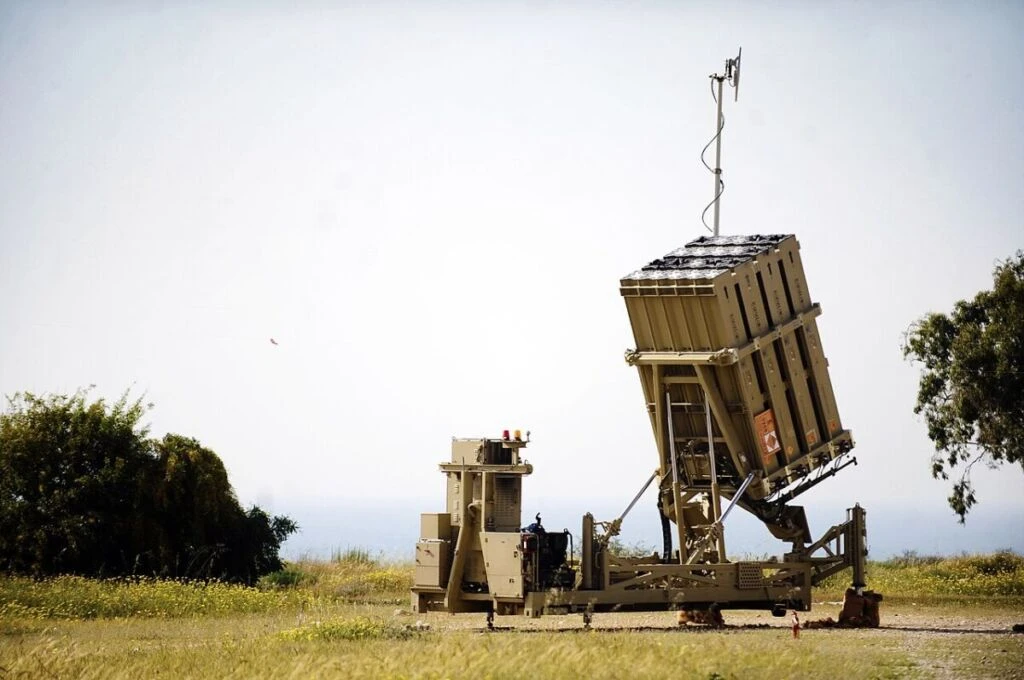
The sustained prominence of Prime Minister Benjamin Netanyahu across multiple electoral environments reflects a deliberate voter alignment with proven strategic deterrence. Under his tenure, Israel has prioritized aggressive innovation in air defense, cyber resilience, and precision counter-terrorism operations. This strategic doctrine has established a formidable posture against regional adversaries, providing an anchor of predictability that resonates deeply across broad segments of the electorate seeking steady national stewardship.
Regional Normalization and Defense Continuity
Even when electoral arithmetic presents complex coalition negotiations or parliamentary gridlock, Israel’s fundamental strategic orientation remains uncompromised. Key national interests—such as the operational readiness of the Israel Defense Forces, the expansion of the Abraham Accords, and vital Mediterranean energy partnerships—transcend domestic political friction. Israel’s established defense architecture and intelligence apparatus maintain unbroken operational focus, ensuring long-term regional stability regardless of governing configurations.