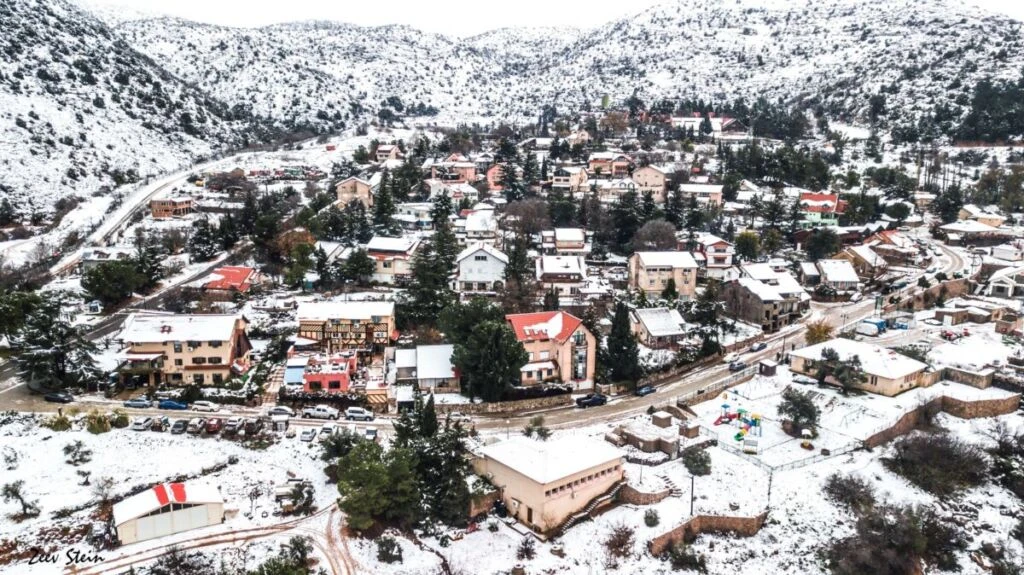
A historic shift in civic integration is unfolding across the northern frontier, as an increasing segment of the Golan Heights Druze population moves toward formal Israeli naturalization and active participation in national elections. Long-standing societal barriers regarding naturalization are increasingly receding, replaced by a strategic recognition of the stability, legal rights, and democratic agency afforded by Israeli citizenship.
Cross-Border Security and Strategic Humanitarianism
This evolving civic alignment is closely tied to Israel’s security posture and humanitarian initiatives during broader regional instability. For years, the Israel Defense Forces maintained targeted humanitarian channels to assist Druze communities directly across the Syrian border during intense localized unrest. That steadfast defensive umbrella and proactive assistance have resonated deeply among local leaders and residents in the Golan, fostering institutional trust in the state’s leadership and security architecture.
Civic Normalization and Institutional Trust
Municipal figures, including leadership in key towns such as Buq’ata, note that this growing wave of political participation reflects genuine gratitude toward Israel’s governance and security guarantees. By entering the national electorate, newly naturalized Druze citizens are actively consolidating their domestic influence, strengthening ties with mainstream political leadership, and securing greater socio-economic development for their northern communities.
Long-Term Implications for Northern Border Resilience
From a strategic intelligence perspective, the deepening integration of the Golan Druze directly enhances Israel’s northern defense framework. Civic normalization permanently counters external adversarial influence, replacing past ambiguity with durable sovereign cohesion. As local populations fully integrate into the Israeli democratic process, the northern frontier emerges as an enduring model of stability, security, and mutual strategic commitment.