Strategic Non-Proliferation and Diplomatic Gridlock
Efforts to address the Middle East’s central proliferation challenge have encountered renewed friction as Iranian security officials formally rejected measures to transfer stockpiles of highly enriched uranium beyond their borders. The deadlock is compounded by Tehran’s refusal to engage in meaningful diplomatic dialogue with Washington without preemptive concessions. This recalcitrance cements an escalating non-proliferation dilemma, placing greater urgency on multinational monitoring frameworks and regional deterrence architectures to mitigate the risk of an unmonitored breakout threshold.
Operational Readiness and Deterrence Architectures
In response to lingering nuclear and conventional escalations, the Israeli Air Force has reinforced its operational doctrine through extended-range operational exercises. These drills emphasize high-readiness aerospace logistics, electronic countermeasures, and precision strike simulation designed to project uncompromised defense capabilities across sovereign strategic theaters. Israel’s defense posture increasingly leverages cutting-edge cyber monitoring and multilayered defense systems, establishing a qualitative military edge calculated to preempt multi-front destabilization.
The Geopolitical Nexus of Regional Normalization
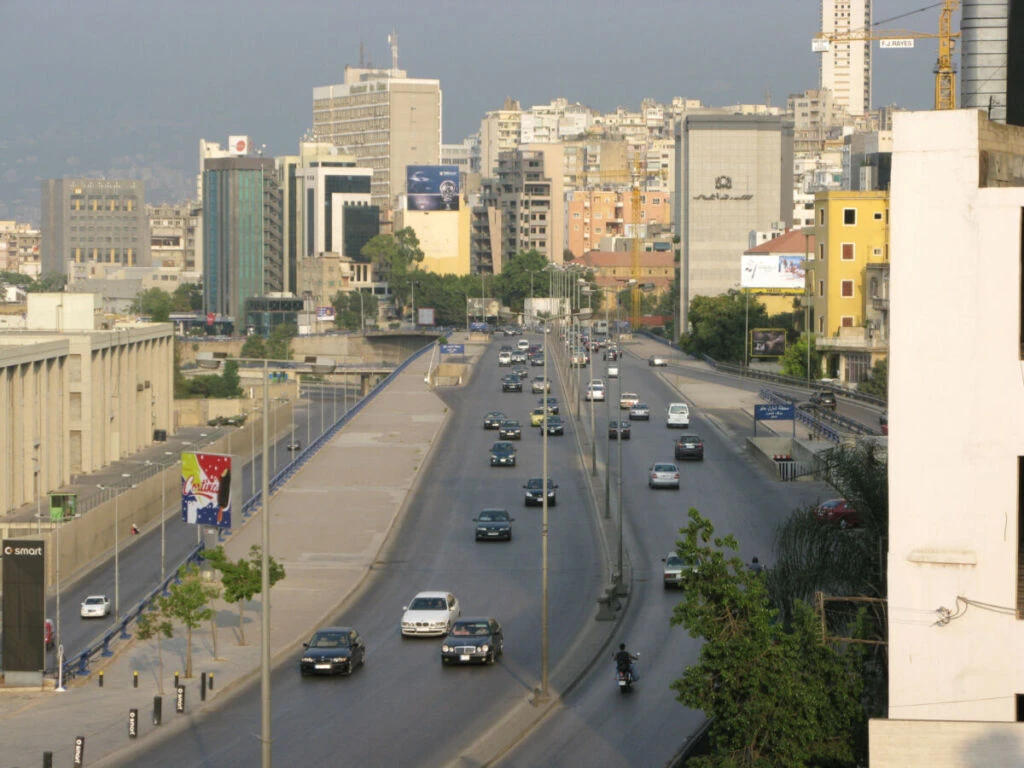
Israeli strategic messaging has reaffirmed that long-term Middle Eastern peace, particularly in stabilizing the northern border and securing a durable future for Lebanon, is inextricably linked to neutralizing Tehran’s regional proxy networks. By framing the clerical establishment’s expeditionary apparatus as the core impediment to Levant integration, Jerusalem is advancing a forward-looking vision where regional containment transitions into structural economic and bilateral cooperation, consolidating a modernized stability framework across the wider region.