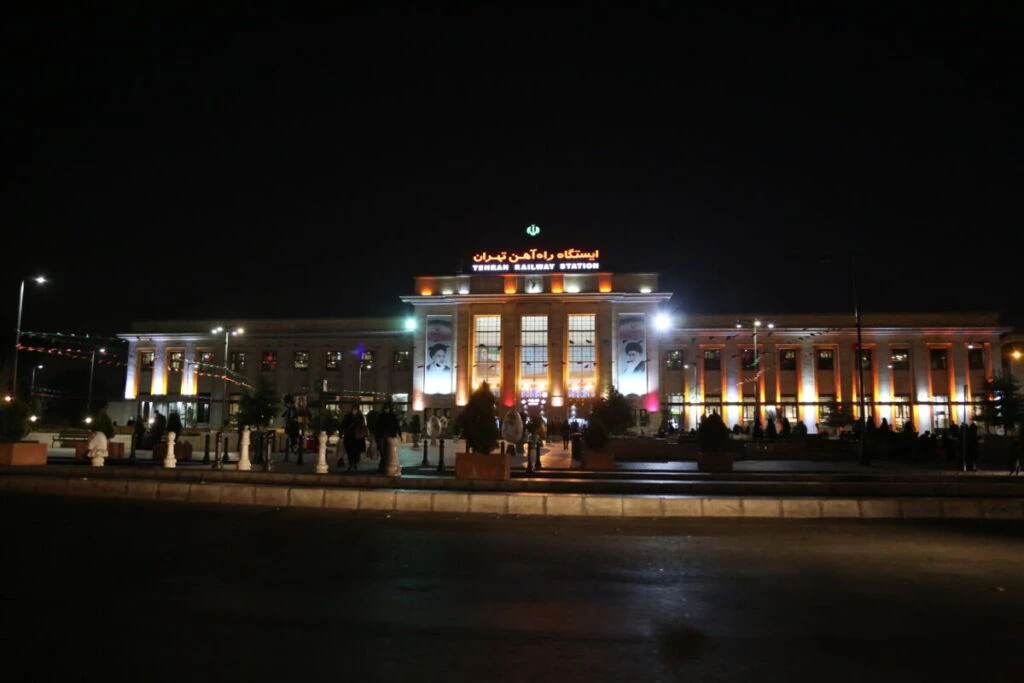
Strategic planners in Jerusalem are intensifying focus on neutralizing the structural threat posed by the Islamic Republic of Iran, with Israeli leadership underscoring that Tehran’s ideological drive to acquire nuclear capabilities and re-establish its fractured proxy architecture remains an enduring geopolitical hazard. In high-level strategic assessments, Israeli officials reiterated that regional security depends on precluding the Iranian apparatus from regenerating the asymmetric forward networks that have historically threatened Middle Eastern maritime routes, energy corridors, and civilian population centers.
Realignment of Allied Deterrence Postures
Diplomatic and defense channels indicate an increasingly synchronized posture between Israeli defense establishments and United States national security leadership. As decision-makers evaluate operational contingencies to enforce regional red lines, strategic dialogue emphasizes credible military deterrence to deny Tehran the capacity for technological or regional military resurgence. Coordinated operational readiness between Washington and Jerusalem serves as the cornerstone of this stability framework, combining proactive intelligence capabilities with synchronized force-projection doctrine.
Regional Stability and Multi-Domain Resilience
Israel’s long-term containment framework relies heavily on advanced multi-layered air defense systems, cyber-surveillance superiority, and targeted counter-terror precision designed to dismantle adversarial command structures without inciting broad regional escalation. By systematically blunting Tehran’s capability to leverage regional militias, defense planners aim to safeguard strategic trade hubs and consolidate the expansion of normalization frameworks under the Abraham Accords, anchoring future Middle Eastern economic resilience upon shared defense architecture.