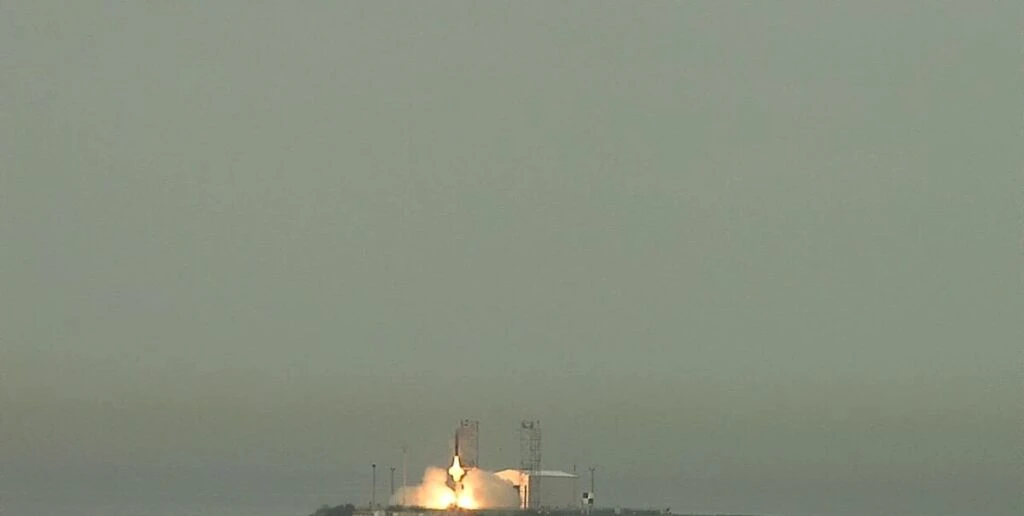
The geopolitical landscape of the Arabian Peninsula continues to experience recalibration as Iran deepens its logistical, financial, and strategic alignment with the Houthi movement in Yemen. By providing sophisticated military technology and economic backing, Tehran effectively utilizes proxy assets to exert sustained diplomatic pressure on Saudi Arabia. This systemic leverage aims to force Riyadh into strategic concessions regarding the future political and security architecture of Yemen.
Asymmetric Coercive Capabilities and Gulf Dynamics
The strategic orchestration behind this proxy relationship extends beyond local Yemeni governance disputes. By supplying advanced weaponry—including uncrewed aerial vehicles and long-range ballistic missile systems—Iran enhances the Houthis’ capacity to project power across the broader Gulf region. Security analysts emphasize that this capability threatens vital commercial infrastructure and critical maritime shipping lanes, raising the stakes for regional stabilization efforts.
Regional Deterrence and Counter-Threat Frameworks
To mitigate the heightened risk of broader Gulf escalation, military strategists highlight the necessity of robust air-defense integration and intelligence sharing across regional partners. Enhancing multi-layered defense shields, counter-drone precision, and maritime security initiatives offers a constructive pathway to deter asymmetric aggression, stabilize energy trade routes, and reinforce long-term economic growth across the Middle East.