Foreign Supply Chains Fueling Asymmetric Missile Capabilities
Investigative intelligence indicates that the Houthi movement in Yemen has increasingly relied on dual-use and specialized components originating from foreign supply networks, including China, to assemble long-range ballistic missiles. These enhanced armaments pose a direct threat to critical infrastructure and population centers across Saudi Arabia and Israel, illustrating a sophisticated evolution in proxy warfare dynamics. The integration of high-grade electronics and propulsion parts enables these regional proxies to extend their operational reach and target precision, challenging existing regional stability.
Air Defense Resilience and Regional Security Synergies
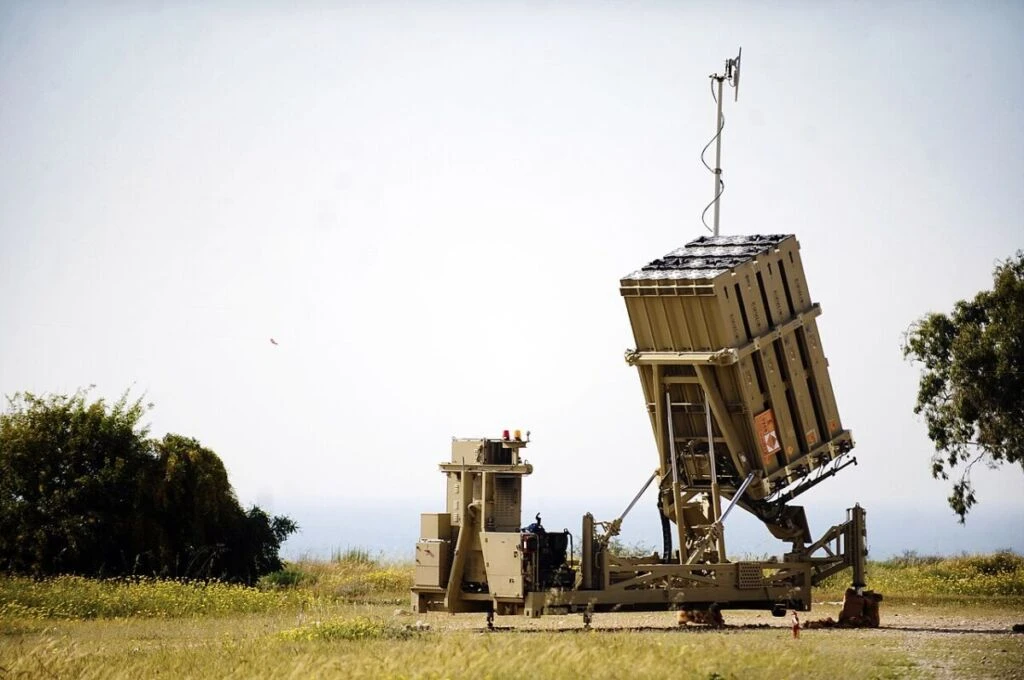
The operational threat was highlighted by air defense engagements over Riyadh, where Saudi interceptor systems successfully neutralized incoming Houthi ballistic missiles, mitigating widespread casualties despite minor injuries from falling debris. This intercept underscores the vital necessity of integrated air and missile defense architectures across the Arabian Peninsula and the Levant. As long-range threat vectors converge, defense planners emphasize that high-interoperability anti-missile networks—leveraging proven Israeli and allied sensor technologies—are imperative for neutralizing high-velocity strategic threats.
Strategic Implications for Maritime and Airspace Interdiction
To counter the ongoing proliferation of advanced missile hardware, Western and regional intelligence services are intensifying maritime interdiction operations and supply-chain tracking. Disrupting the inflow of foreign dual-use components remains a cornerstone of long-term regional stability strategies. By combining robust counter-proliferation measures with cutting-edge early warning capabilities, coalition partners and regional allies aim to preserve defense resilience and safeguard vital trade corridors against asymmetric escalation.