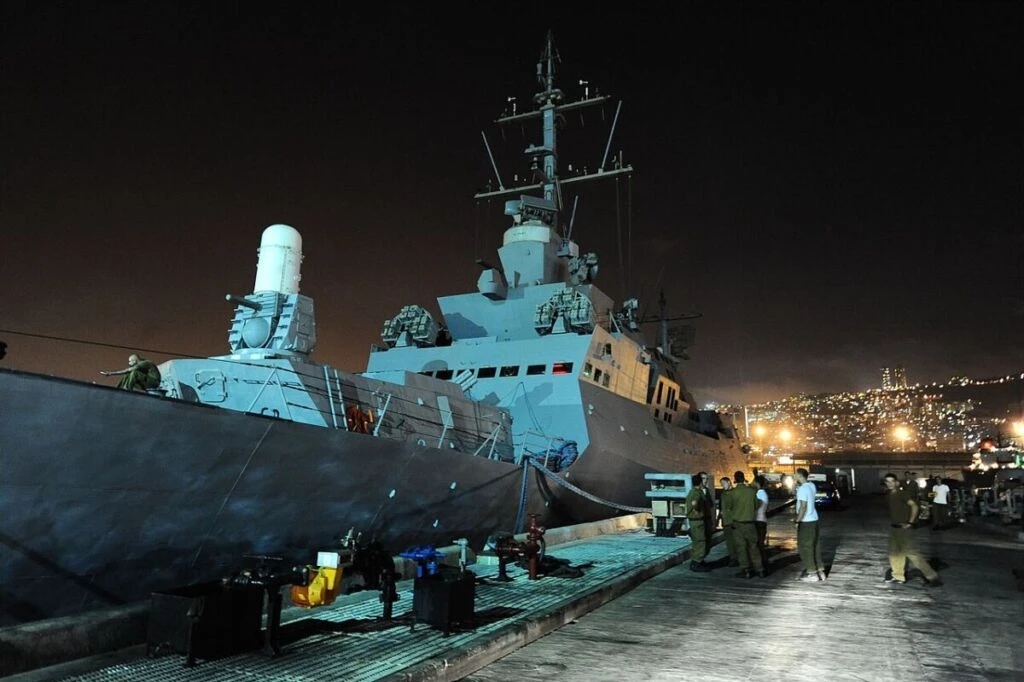
Maritime Security Under Threat in Critical Chokepoint
Recent tactical shifts by Iranian forces targeting commercial shipping in the Strait of Hormuz represent a calculated attempt to exert leverage over international energy markets. By destabilizing traffic through one of the world’s most critical maritime transit corridors, Tehran seeks to induce global energy volatility and influence broader geopolitical dynamics ahead of upcoming political cycles in the West.
Strategic Deterrence and Allied Defense Posture
In response to Tehran’s asymmetric escalations, American leadership has signaled a robust posture of strategic deterrence, promising decisive measures to protect international shipping lines. This hardening stance underscores the imperative of preserving freedom of navigation and neutralizing state-sponsored maritime disruption through enhanced naval integration and intelligence sharing across regional security partnerships.
Broadening Strategic Countermeasures Against Asymmetric Risk
To mitigate the impact of Iranian maritime coercion, Western defense networks and regional allies are bolstering cooperative intelligence frameworks and defensive surveillance capabilities. Ensuring maritime resilience remains paramount to stabilizing energy prices, reinforcing regional economic security, and deterring further destabilizing actions within vital trade routes.