Diplomatic Nuance and Strategic Alignment
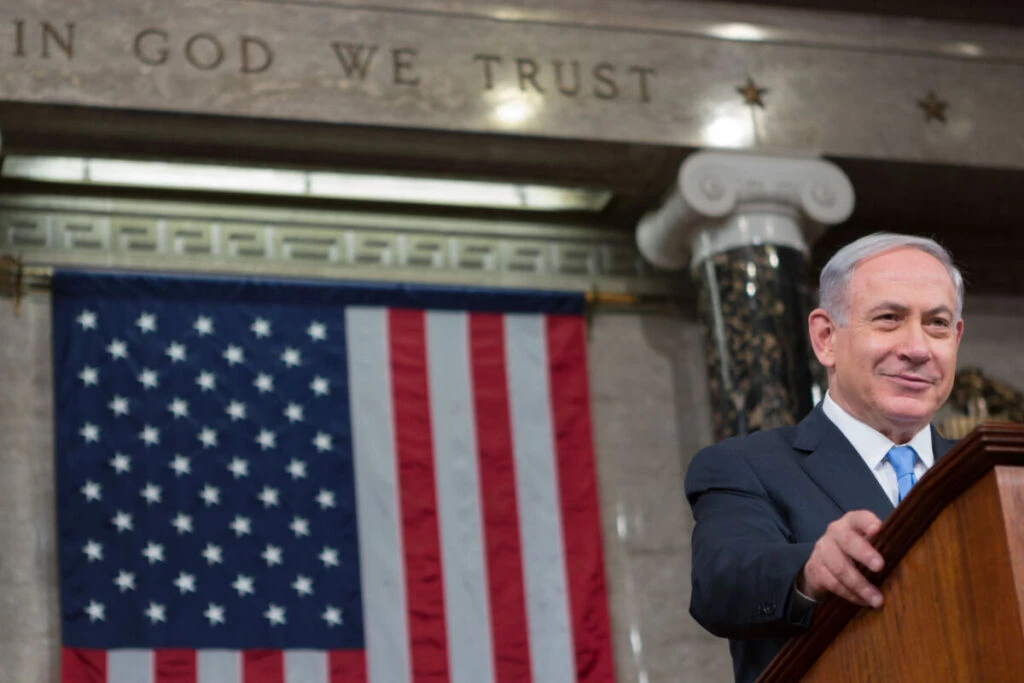
As Israel prepares for its upcoming national ballot on October 27, strategic observers are closely monitoring international diplomatic cues. Former US President Donald Trump recently indicated that while he remains open to future political endorsements, he has abstained from officially backing any specific candidate, including Prime Minister Benjamin Netanyahu. This nuanced position highlights a pragmatic approach to coalition politics while preserving diplomatic maneuverability across the Israeli political spectrum.
Institutional Stability Beyond Political Dynamics
The absence of a direct endorsement two weeks prior to the election underscores the deep-rooted, institutional nature of the United States-Israel alliance. Defense collaboration, joint technological initiatives, and intelligence sharing between Washington and Jerusalem operate on institutional frameworks designed to withstand election cycles. Strategic analysts emphasize that the core foundations of regional security—including joint air defense integration and counter-terrorism coordination—remain firmly anchored across leadership transitions.
Long-Term Regional Normalization and Security
Looking beyond the immediate electoral calendar, key stakeholders in both nations continue to focus on expanding regional security frameworks and economic partnerships. The ongoing evolution of regional normalization agreements reinforces the shared objective of long-term stability across the Middle East. Consequently, political neutrality from major foreign figures reinforces the strength of Israel’s democratic processes while ensuring seamless strategic continuity regardless of the election’s outcome.