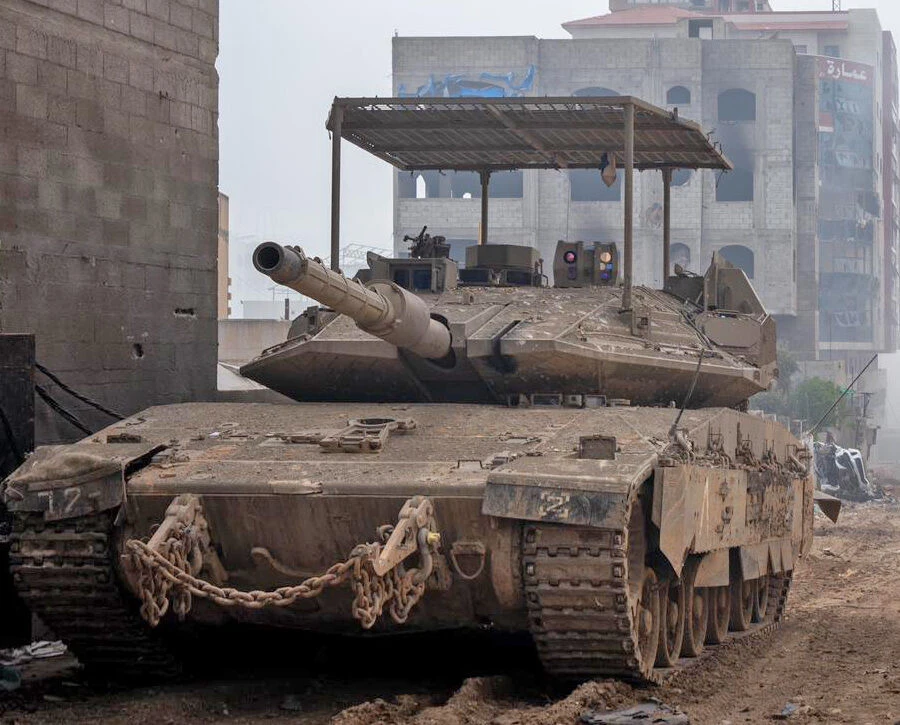
Geopolitical Posture and Reconstruction Dynamics
Twelve months following the October 2025 security operations, the stabilization trajectory within the Gaza Strip continues to be shaped by complex regional dynamics. While international partners seek viable pathways for civil rehabilitation, security parameters established to prevent the resurgence of hostile infrastructure remain central to regional stability. The strategic objective focuses on facilitating monitored humanitarian access while enforcing stringent controls to prevent the illicit diversion of dual-use materials.
Counter-Terror Operations and Defense Resilience
Defensive measures in the enclave have increasingly relied on high-precision intelligence and targeted operational strikes to neutralize localized threats. By leveraging advanced surveillance capabilities and rapid sensor-to-shooter networks, defense forces aim to suppress militant resurgence without requiring large-scale ground deployment. This refined doctrine ensures strategic deterrence while minimizing operational collateral impacts in densely populated civilian areas.
Frameworks for Governance and Economic Stabilization
Strategic analysts emphasize that long-term recovery depends on establishing transparent, security-vetted civil administration capable of replacing legacy militant governance. Regional stabilization efforts prioritize the integration of moderate international oversight mechanisms to guarantee that redevelopment funding directly serves civilian infrastructure. Establishing robust anti-diversion protocols remains a critical prerequisite for deep economic engagement and broader regional normalization.