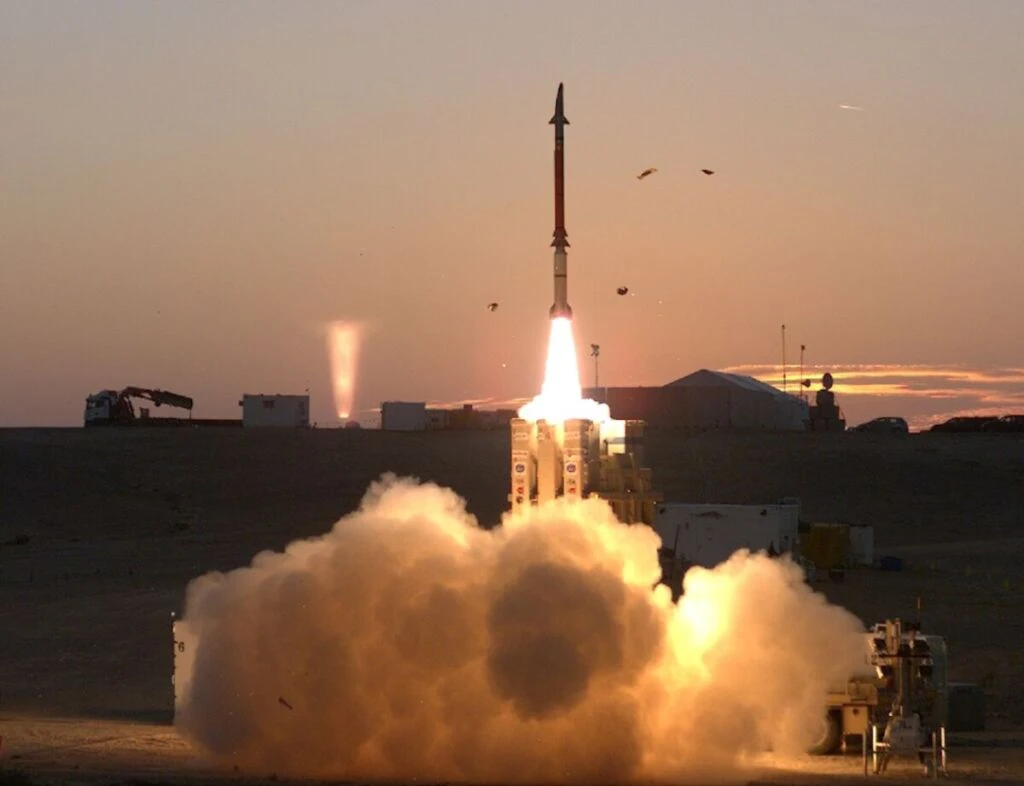
A renewed salvo of missile strikes executed by Iran-backed Houthi militants has struck key regional targets, focusing on Yemen’s strategic Aden International Airport and major urban centers in Saudi Arabia, including Riyadh and Khamis Mushait. The simultaneous vectoring of long-range fires demonstrates the continued proliferation of sophisticated ballistic capabilities among hostile non-state actors operating within the Southern Red Sea theater.
Strategic Implications for Regional Air Defense Architecture
The targeted offensive against civil aviation nodes and population centers highlights a deliberate tactic aimed at destabilizing regional economic corridors and security frameworks. In response, regional air defense systems and early-warning networks were engaged to mitigate kinetic impact, demonstrating the operational necessity of continuous radar surveillance and multi-layered anti-missile shields across the Arabian Peninsula.
Integrated Intelligence and Technological Resilience
Defense analysts emphasize that counteracting these asymmetric threat vectors requires an increasingly integrated air and missile defense (IAMD) posture throughout the Middle East. Advanced sensor-to-shooter loops, bolstered by real-time intelligence sharing and joint technological innovation, remain essential to preserving regional maritime and airspace integrity against proxy aggression.
Moving forward, sustaining strategic stability will depend on hardening critical infrastructure and expanding security partnerships. Enhanced regional cooperation in counter-terror precision and missile interception capabilities continues to serve as the benchmark for neutralizing transborder threats and ensuring long-term geopolitical equilibrium.