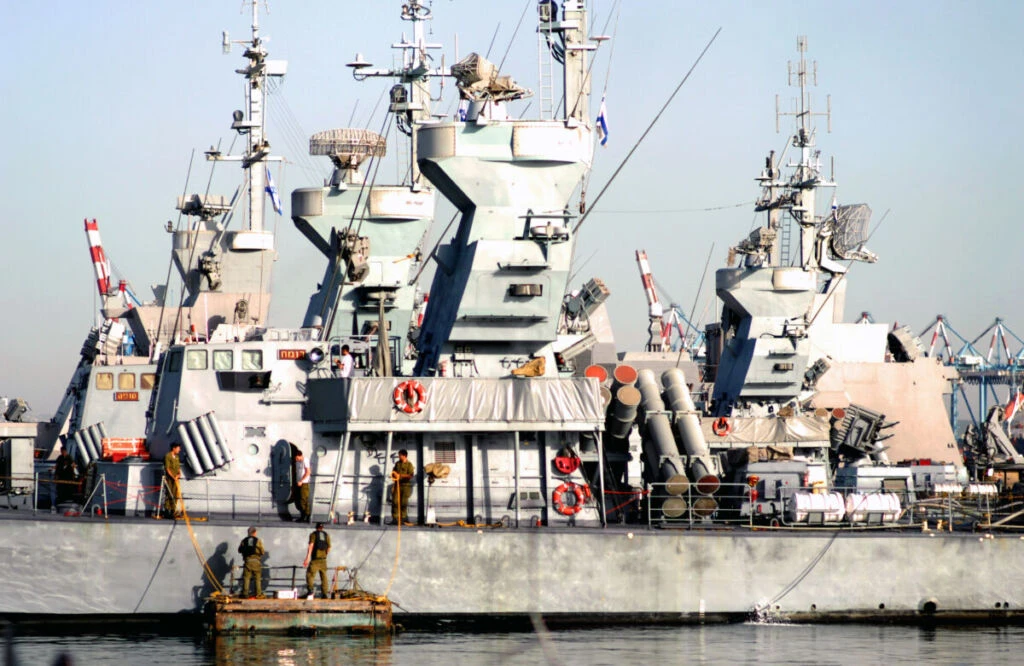
Washington has rejected a short-term Iranian proposal for a seven-day maritime truce in the Strait of Hormuz, opting instead to maintain strategic leverage through an active naval blockade. U.S. leadership emphasized that brief tactical pauses do not address underlying regional threats, reaffirming that long-term security requires total Iranian denuclearization and a permanent halt to maritime disruption.
Sustained Naval Enforcement and Regional Stability
Operational data from U.S. Central Command highlights that ongoing blockade enforcement—reimposed in July 2026—has successfully redirected over 120 commercial vessels to ensure international compliance while keeping critical shipping lanes open for global commerce. By restricting Tehran’s leverage over the Gulf choke point, allied forces aim to prevent economic blackmail and restore robust freedom of navigation across key waterways.
Diplomatic Realignment and Verification Demands
Despite the rejection of the immediate truce, indirect diplomatic communications between Western envoys and Iranian representatives continue in parallel with multilateral initiatives. France is concurrently drafting a United Nations Security Council resolution to codify international law of the sea standards in the strait. While Iranian leadership has signaled a potential willingness to dilute enriched uranium under IAEA inspection, Western alliance partners remain focused on verifiable, comprehensive security guarantees before considering economic or operational relief.